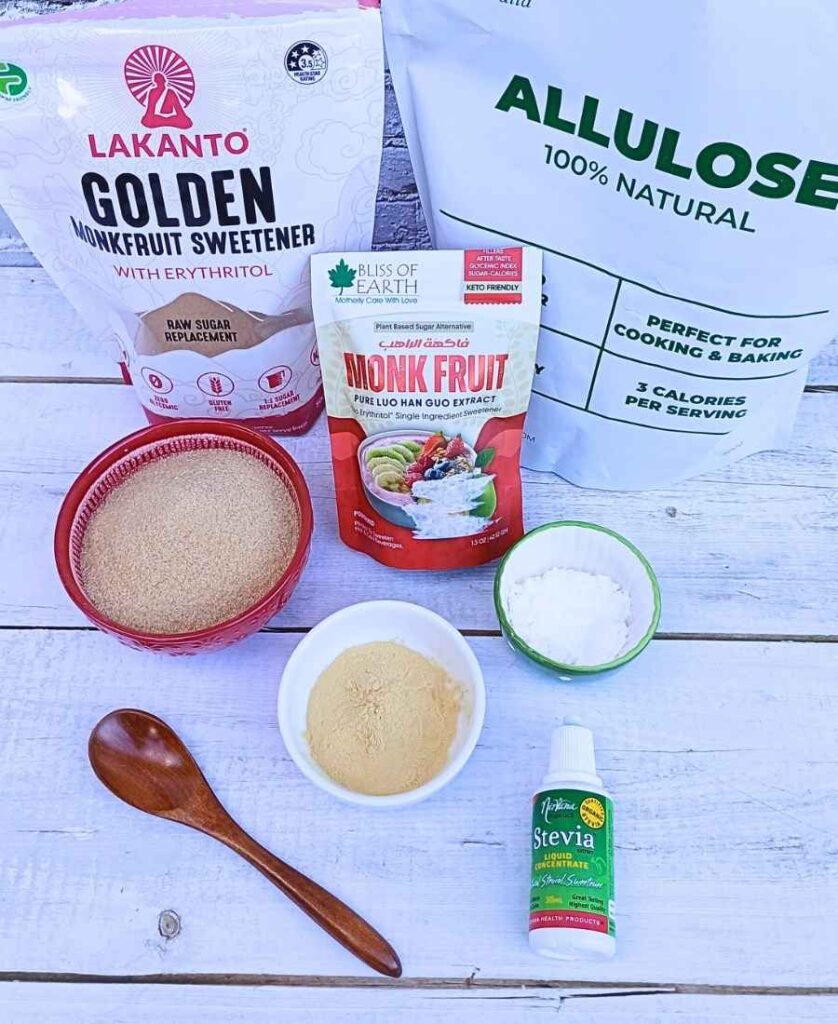
Allulose, stevia, and monk fruit are three of the most popular natural sugar alternatives, but they behave very differently in cooking and baking.
After testing all three across healthy desserts, Ninja Creami ice creams, muffins, cakes, and frozen treats, I’ve found that each one has strengths depending on the recipe.
This guide compares taste, texture, blood sugar impact, cost, and baking performance to help you choose the best sweetener for your needs.
As a nutrition coach, personal trainer, and mom who cooks frequently (and tests even more), I use natural sweeteners regularly. From healthy banana bread to ice cream, protein treats, and frozen desserts, I’ve experimented with all of them – not just in theory, but in real life, in my own kitchen, with my daughter as my main food critic by my side.
Allulose
Best For: Baking, homemade ice cream, frozen desserts
My everyday choice because it behaves most like sugar.
Stevia
Best For: Coffee, drinks, some baked goods
Great in the right recipes, but I use it more selectively.
Pure Monk Fruit
Best For: Coffee, yogurt, lighter desserts
My healthiest choice when taste, cost, and texture aren't limiting factors.
| Sweetener | Best For | My Verdict |
|---|---|---|
| Allulose | Baking, homemade ice cream, frozen desserts | My everyday choice because it behaves most like sugar. |
| Stevia | Coffee, drinks, some baked goods | Great in the right recipes, but I use it more selectively. |
| Pure Monk Fruit | Coffee, yogurt, lighter desserts | My healthiest choice when taste, cost, and texture aren't limiting factors. |
📖 Table of Contents
Jump straight to the section you're looking for.
Why I Care So Much About Sweeteners (And Why You Might Too)
I work with clients who care about:
-
blood sugar levels
-
insulin sensitivity
-
weight loss
-
gut health
-
reduction of sugar intake
-
avoiding artificial sweeteners
-
and still enjoying sweet foods without feeling restricted
And at home, I’m feeding a family who loves dessert and has opinions. Strong ones 😅 Plus, I have a major sweet tooth myself and can eat dessert for breakfast, lunch, and dinner.
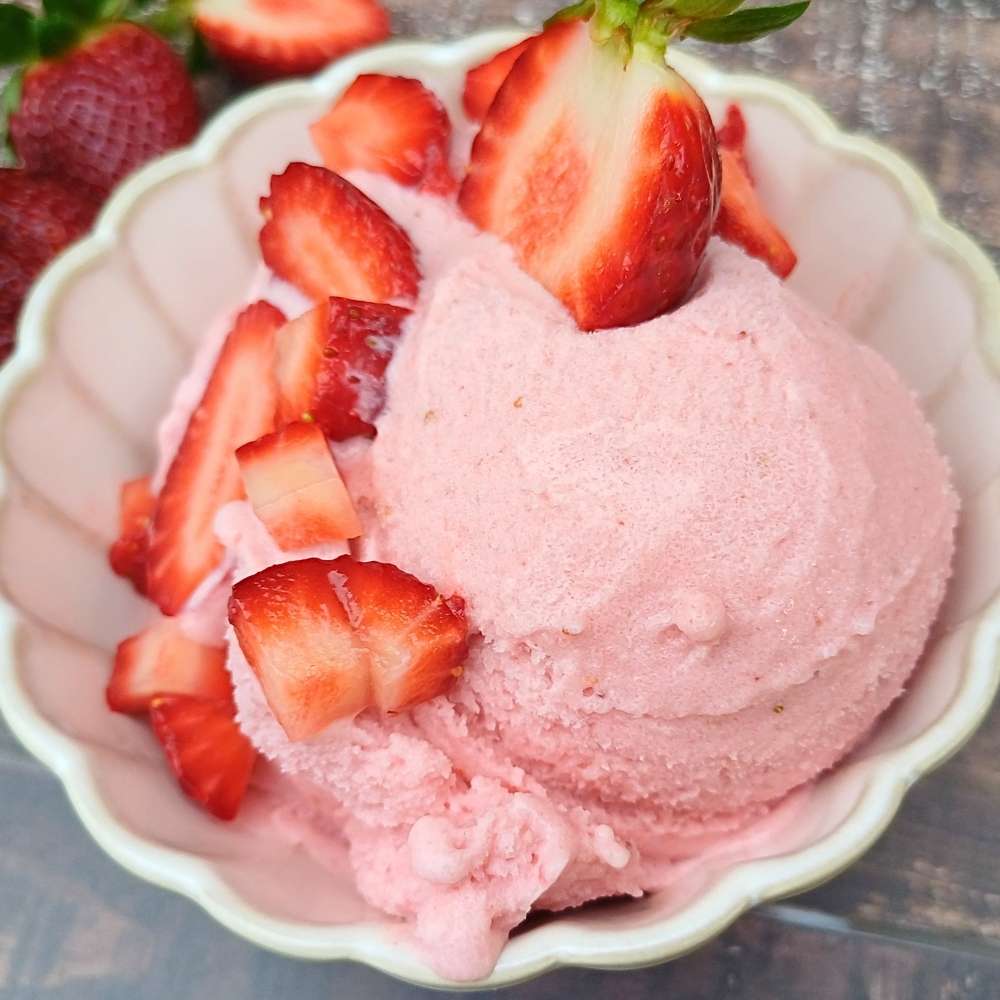
So for me, sweeteners aren’t just a health choice. They’re a texture choice, taste choice, and sanity choice. I make a lot of healthy ice cream at home, and since we eat it so often, reducing added sugar simply makes sense for our family.
Ice cream, especially, is not forgiving. If a natural sweetener leaves an aftertaste, doesn’t freeze well, or messes with texture, everyone notices.
That’s where a lot of my testing has happened. And that’s also where my preferences became very clear.
But don’t worry; I will also cover the best sweetener for baking and just for adding to breakfast bowls or drinks.
Not All Sweeteners Belong to the Same Category
One thing I hear from clients all the time is:
“I don’t use sugar anymore. I use honey.”
Or:
“I switched to maple syrup instead.”
That’s absolutely fine if those sweeteners fit your goals, and they’re often less processed than regular white sugar. But they’re not the same type of sweetener as allulose, stevia or pure monk fruit.
Natural sugars like honey, maple syrup, and coconut sugar still contain sugar and calories and will generally raise blood sugar, even though they may offer a few additional nutrients compared to refined white sugar.
On the other hand, allulose, pure monk fruit, and stevia are naturally derived sweeteners that provide sweetness with little to no effect on blood sugar, making them a popular choice for people reducing their sugar intake or following a lower-carb or even keto lifestyle.
Understanding the different categories makes it much easier to choose the right sweetener for both your health goals and the recipe you’re making.
Sugars
Table Sugar (Sucrose)
Category: Refined sugar
Source: Sugar cane or sugar beet
Blood Sugar: High
Gut Tolerance: Generally well tolerated
My Take: I enjoy it occasionally, but rarely bake with it.
Honey
Category: Natural sugar
Source: Bees
Blood Sugar: Moderate to high
Gut Tolerance: Generally well tolerated
My Take: Natural, but still sugar.
Maple Syrup
Category: Natural sugar
Source: Maple tree sap
Blood Sugar: Moderate
Gut Tolerance: Generally well tolerated
My Take: Great flavour, but still sugar.
Coconut Sugar
Category: Natural sugar
Source: Coconut palm sap
Blood Sugar: Moderate
Gut Tolerance: Generally well tolerated
My Take: Caramel flavour, but still sugar.
Natural Sugar-Free Sweeteners
Allulose
Category: Rare sugar
Source: Naturally occurring rare sugar
Blood Sugar: Very low
Gut Tolerance: Usually well tolerated
My Take: My everyday choice for baking and ice cream.
Stevia
Category: High-intensity natural sweetener
Source: Stevia leaves
Blood Sugar: Little to none
Gut Tolerance: Generally well tolerated
My Take: Useful, but I notice the aftertaste.
Pure Monk Fruit
Category: High-intensity natural sweetener
Source: Monk fruit
Blood Sugar: Little to none
Gut Tolerance: Generally well tolerated
My Take: My healthiest choice when practical.
Erythritol
Category: Sugar alcohol
Source: Fermented glucose
Blood Sugar: Little to none
Gut Tolerance: May cause bloating
My Take: Common in blends; I limit it.
Xylitol
Category: Sugar alcohol
Source: Birch or corn fibre
Blood Sugar: Low
Gut Tolerance: May cause digestive discomfort
My Take: Toxic to dogs, so I avoid it.
Maltitol
Category: Sugar alcohol
Source: Corn or wheat starch
Blood Sugar: Moderate
Gut Tolerance: More likely to upset digestion
My Take: Common in protein bars and sugar-free chocolate.
Artificial Sweeteners
Sucralose (Splenda®)
Category: Artificial sweetener
Source: Manufactured
Blood Sugar: Little to none
Gut Tolerance: Tolerance varies
My Take: Not something I use at home.
Aspartame
Category: Artificial sweetener
Source: Manufactured
Blood Sugar: Little to none
Gut Tolerance: Tolerance varies
My Take: Common in diet drinks; not my style.
| Sweetener | Category | Source | Blood Sugar | Gut Tolerance | My Take |
|---|---|---|---|---|---|
| Table Sugar (Sucrose) | Refined sugar | Sugar cane or sugar beet | High | Generally well tolerated | I enjoy it occasionally, but rarely bake with it. |
| Honey | Natural sugar | Bees | Moderate to high | Generally well tolerated | Natural, but still sugar. |
| Maple Syrup | Natural sugar | Maple tree sap | Moderate | Generally well tolerated | Great flavour, but still sugar. |
| Coconut Sugar | Natural sugar | Coconut palm sap | Moderate | Generally well tolerated | Caramel flavour, but still sugar. |
| Allulose | Rare sugar | Naturally occurring rare sugar | Very low | Usually well tolerated | My everyday choice for baking and ice cream. |
| Pure Monk Fruit | High-intensity natural sweetener | Monk fruit | Little to none | Generally well tolerated | My healthiest choice when practical. |
| Stevia | High-intensity natural sweetener | Stevia leaves | Little to none | Generally well tolerated | Useful, but I notice the aftertaste. |
| Erythritol | Sugar alcohol | Fermented glucose | Little to none | May cause bloating | Common in blends; I limit it. |
| Xylitol | Sugar alcohol | Birch or corn fibre | Low | May cause digestive discomfort | Toxic to dogs, so I avoid it. |
| Maltitol | Sugar alcohol | Corn or wheat starch | Moderate | More likely to upset digestion | Common in protein bars and sugar-free chocolate. |
| Sucralose (Splenda®) | Artificial sweetener | Manufactured | Little to none | Tolerance varies | Not something I use at home. |
| Aspartame | Artificial sweetener | Manufactured | Little to none | Tolerance varies | Common in diet drinks; not my style. |
ALLULOSE
What Is Allulose? (The Rare Sugar That Changed My Kitchen)
Allulose is what’s called a rare sugar.
It naturally occurs in small amounts in foods like:
-
figs
-
raisins
-
wheat
-
maple syrup
It’s a monosaccharide (like glucose and fructose), but the body doesn’t metabolise it the same way.
Which means:
-
very low calorie (great for weight loss diets)
-
minimal impact on blood sugar
-
minimal impact on insulin
Why I Use Allulose So Much
Here’s the big reason:
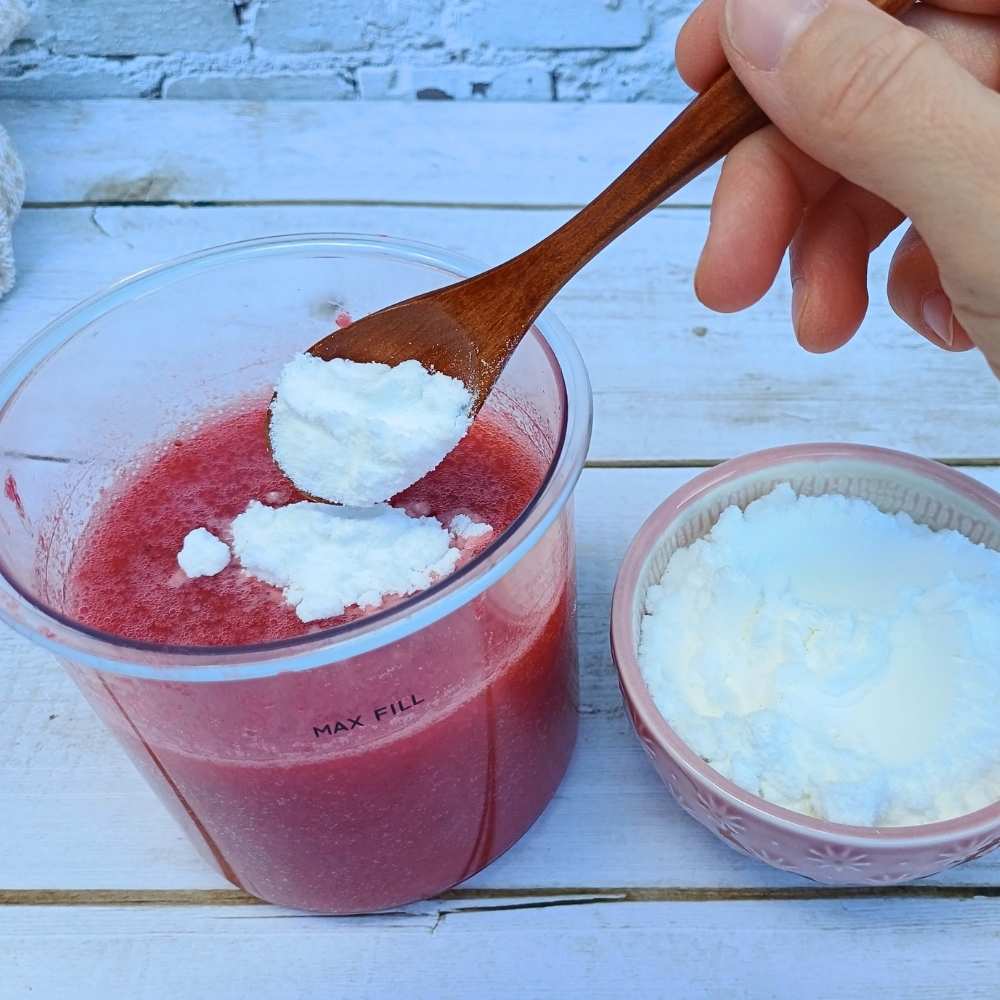
Allulose behaves like real sugar. It doesn’t just sweeten. It adds volume, helps with lift, and that’s rare in low-calorie sweeteners.
This is why allulose is a favourite in:
low-carb baking
keto desserts
and especially ice cream
It:
dissolves properly
caramelises
thickens slightly
freezes softer
improves texture in frozen desserts
This is massive for:
ice cream
frozen yoghurt
baking
merengue-type recipes or recipes that rely on sugar to stiffen and lift.
caramelizing
sauces
Unlike high-intensity sweeteners like stevia and pure monk fruit, allulose doesn’t just replace sweetness—it also replaces some of sugar’s functional role in baking.
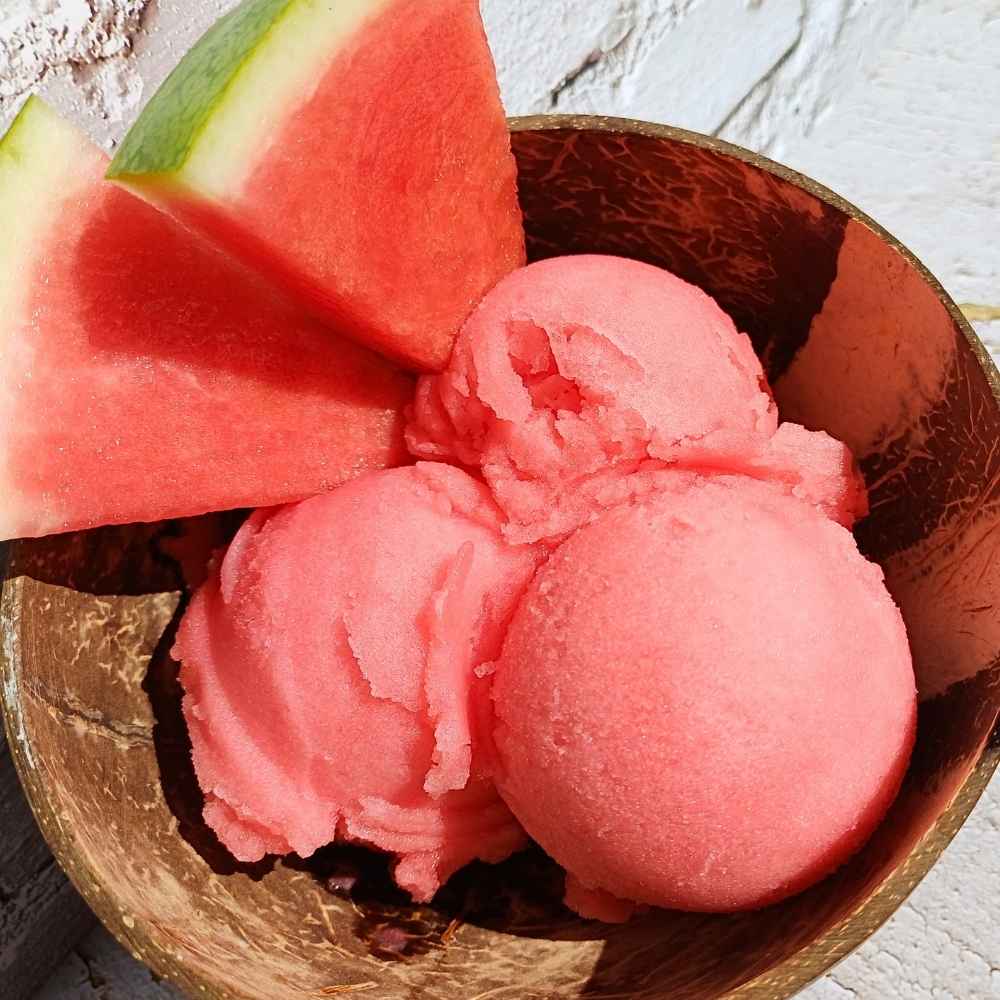
The Taste of Allulose (And Why My Family Approved Immediately)
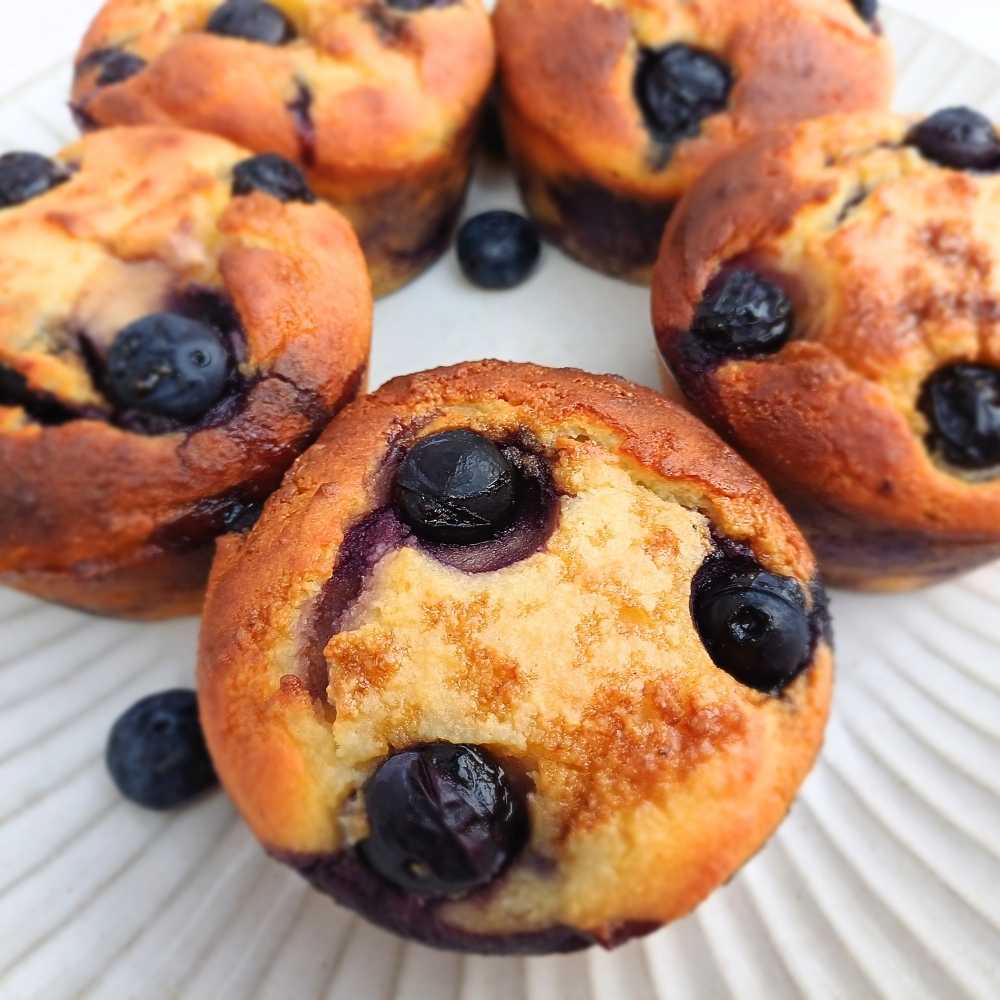
Allulose tastes extremely close to traditional sugar.
No bitterness.
No chemical aftertaste.
No weird cooling sensation.
And this is important:
My family, who are not health food snobs, noticed the difference immediately.
When I switched from stevia to allulose in frozen desserts, the reaction was: “Oh wow, this tastes normal.”
That’s when I knew it was a keeper.
STEVIA
Stevia comes from the leaves of the Stevia rebaudiana plant.
It’s:
-
natural
-
zero calorie
-
200–300 times sweeter than sugar (so be mindful of that when using it, especially concentrated powders or drops)
-
widely used in food products
From a health perspective, stevia is generally considered safe.
From a taste perspective… this is where things get personal.
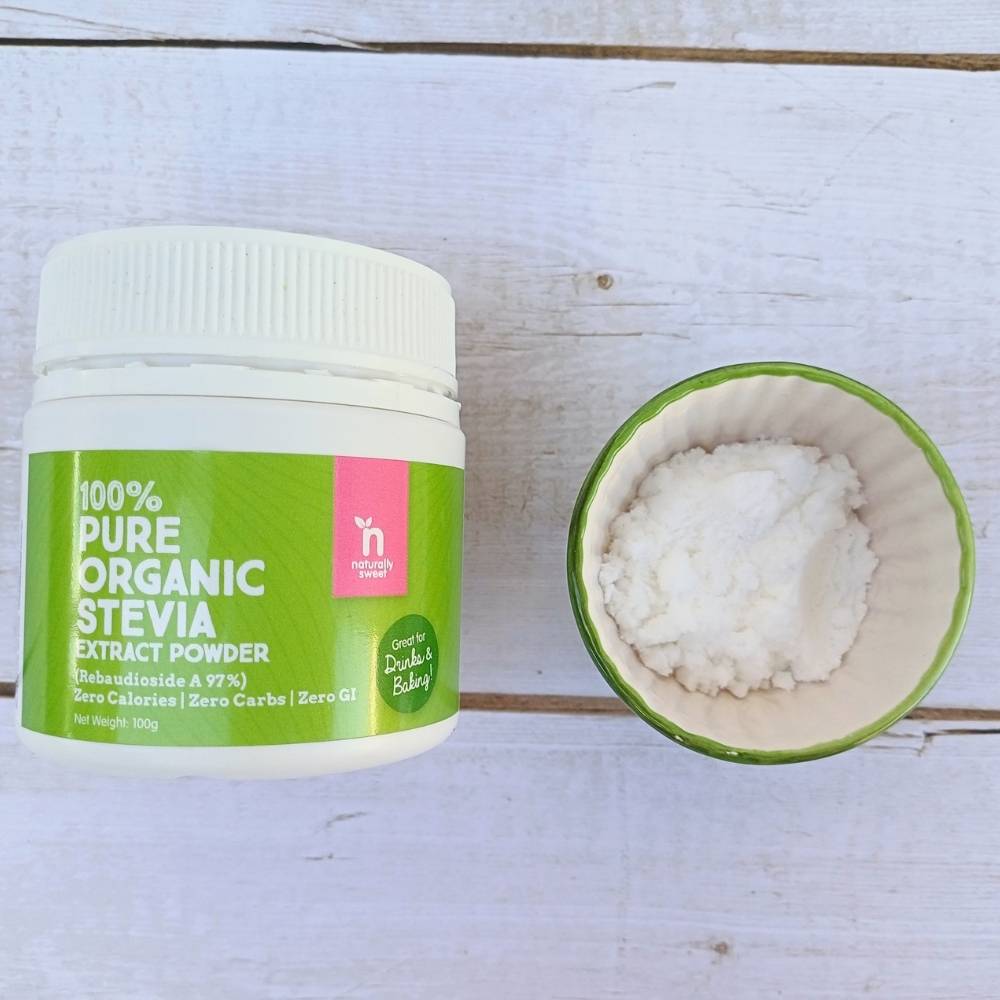
The Stevia Aftertaste (Let’s Be Honest)
Stevia has a bitter, slightly metallic aftertaste for many people.
Some don’t notice it.
Some don’t mind it.
Some (like my family) really do.
In ice cream, especially, that aftertaste becomes very obvious.
This is actually why I slowly moved away from stevia in frozen desserts. It just didn’t hit the same. I still use it in baking, as it seems to be less noticeable when baked with many other ingredients. My high-protein banana bread or chocolate zucchini bread usually works absolutely fine with stevia powder or drops. I still like stevia, but it’s no longer my go-to.
MONK FRUIT
What Is Monk Fruit? (And Why I Truly Love It)
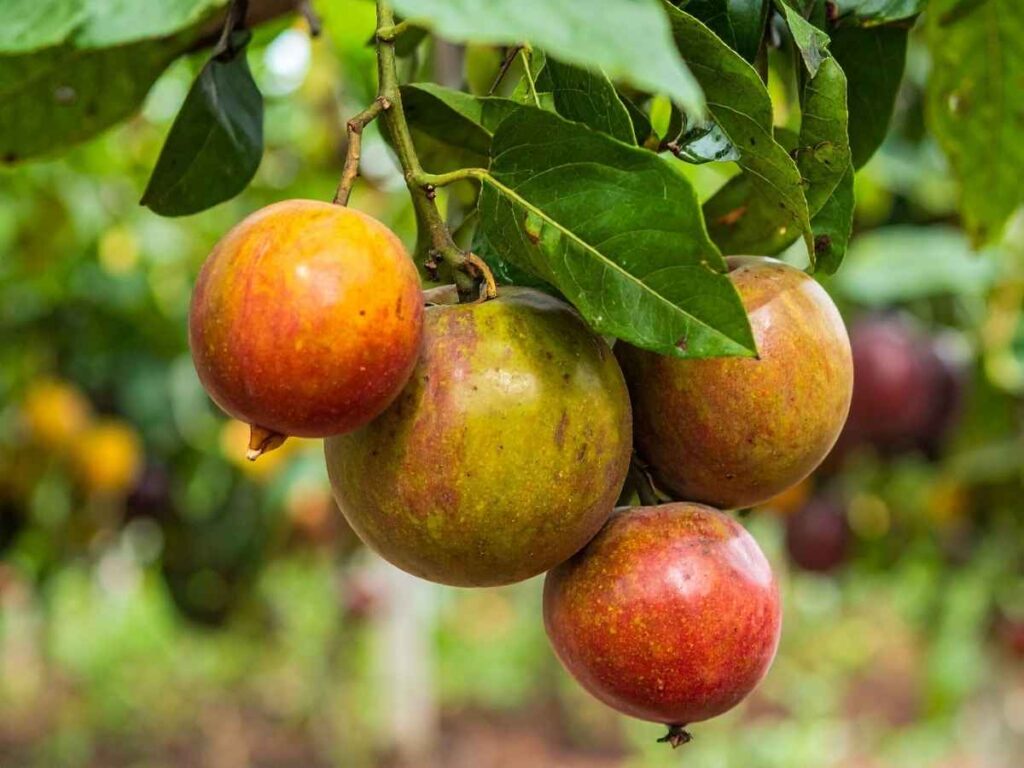
Monk fruit, also known as Luo Han Guo, is a small green fruit native to southern China and parts of Southeast Asia. It’s been used in traditional medicine by Buddhist monks for centuries, which is actually where it gets its name.
The sweetness comes from compounds called mogrosides, not sugar. That’s why monk fruit has:
-
zero calories
-
little to no effect on blood sugar
-
no insulin spikes
-
no effect on tooth decay
And yes, it’s considered a natural, plant-based sweetener. It’s one of the cleanest sweeteners you can use.
The Catch With Monk Fruit (And Why Labels Matter)
Here’s the part most people don’t realise about monk fruit.
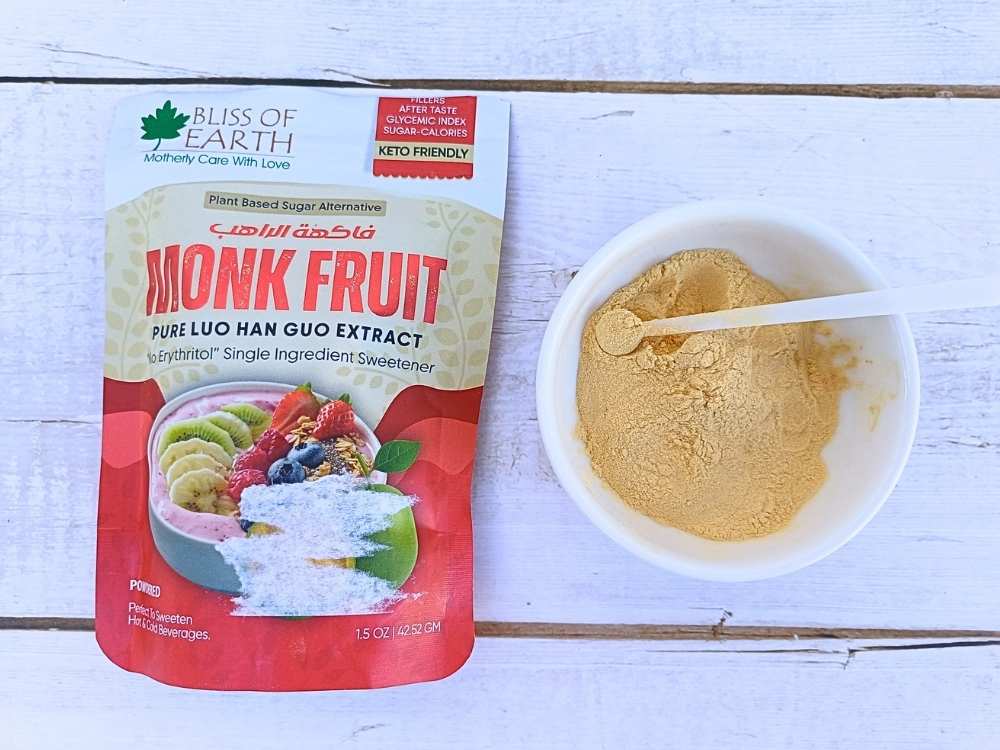
The majority of monk fruit sweeteners on the market are not pure monk fruit.
They’re usually blended with:
-
erythritol (a sugar alcohol)
-
sometimes dextrose
-
sometimes other bulking agents
This is mainly done because pure monk fruit extract is extremely concentrated (around 200–300 times sweeter than sugar) and very expensive. So companies dilute it to make it usable and affordable.
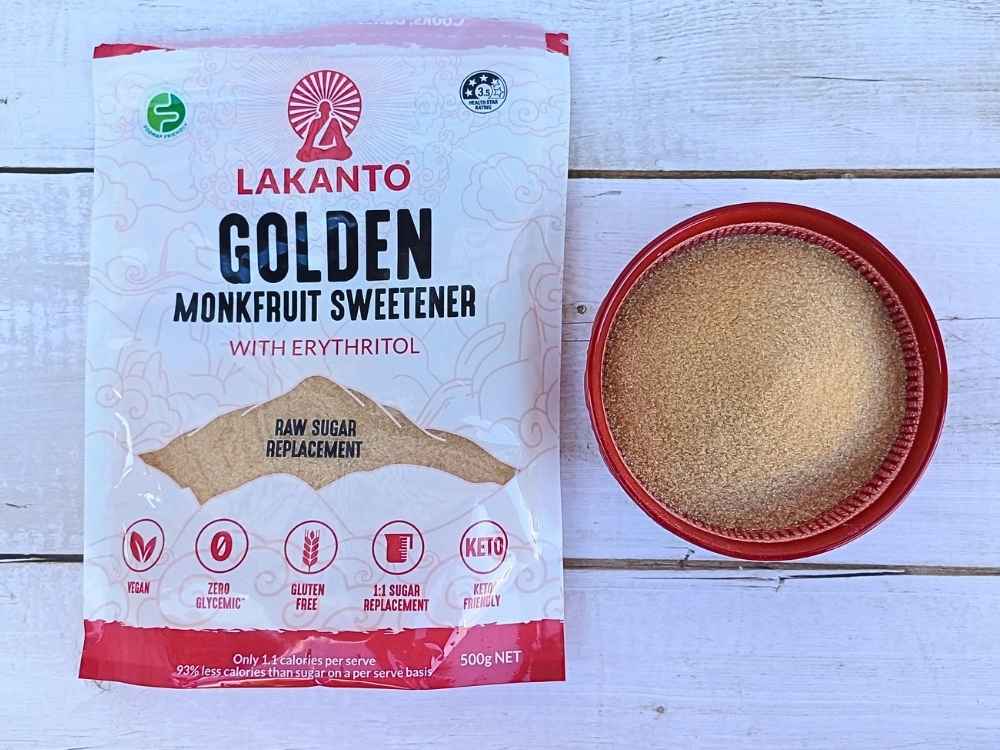
That means when you buy “monk fruit sweetener”, what you’re often getting is mostly erythritol with a little monk fruit added for sweetness.
And while erythritol is generally considered safe, it’s not completely neutral.
Some people experience bloating, gas, or digestive discomfort from sugar alcohols. More recently, an NIH-funded study published in Nature Medicine found an association between higher blood levels of erythritol and increased risk of cardiovascular events, including heart attack and stroke. The researchers also observed increased blood clot formation in both human and animal models.
This doesn’t mean erythritol is “dangerous” in small amounts. But it does mean I personally prefer to be cautious, especially when using sweeteners regularly in things like ice cream, baking, and desserts.
That’s why, when I use monk fruit, I look for pure monk fruit extract without erythritol.
It’s more expensive, but it’s more concentrated, so a little goes a long way, making it worth the money for me.
But it avoids the sugar alcohols entirely, and I find it sits better with both digestion and overall health.
For me, it’s about using the cleanest version of the ingredient possible – especially when I’m making treats for my family.
If you do choose monk fruit blended with erythritol, that’s a personal decision and absolutely common. Just be aware of what you’re actually buying, and how much you’re using.
Labels really matter here.
How Monk Fruit Tastes (And Why My Family Likes It)
Taste-wise, monk fruit is beautiful.
-
no bitter aftertaste
-
no chemical taste
-
very clean sweetness
-
doesn’t overpower flavours
One of my favourite everyday uses for pure monk fruit is sweetening my daughter’s homemade strawberry tea. She happily drinks that instead of plain water, especially during the warmer months, so for me it’s an easy way to keep her hydrated while avoiding unnecessary added sugar or artificial ingredients. I know it’s good and safe for her.
This is why I love it in:
-
coffee
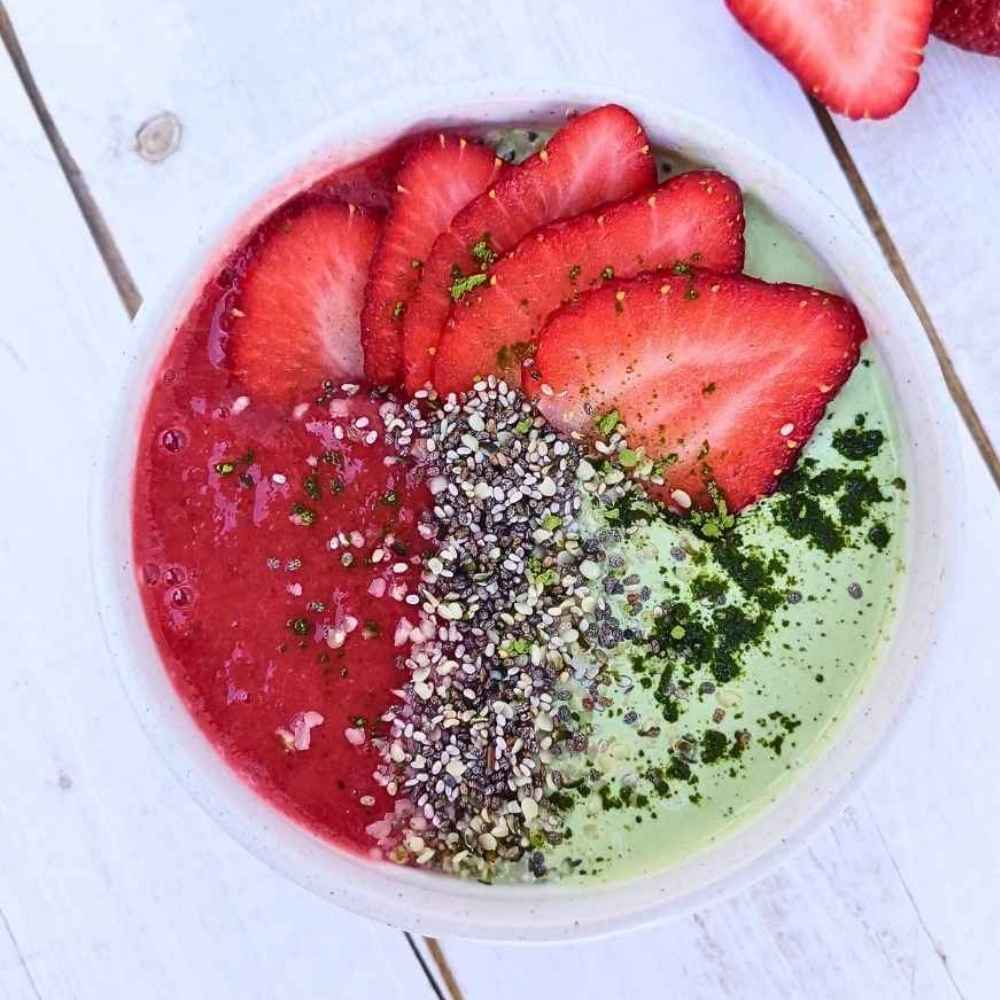
-
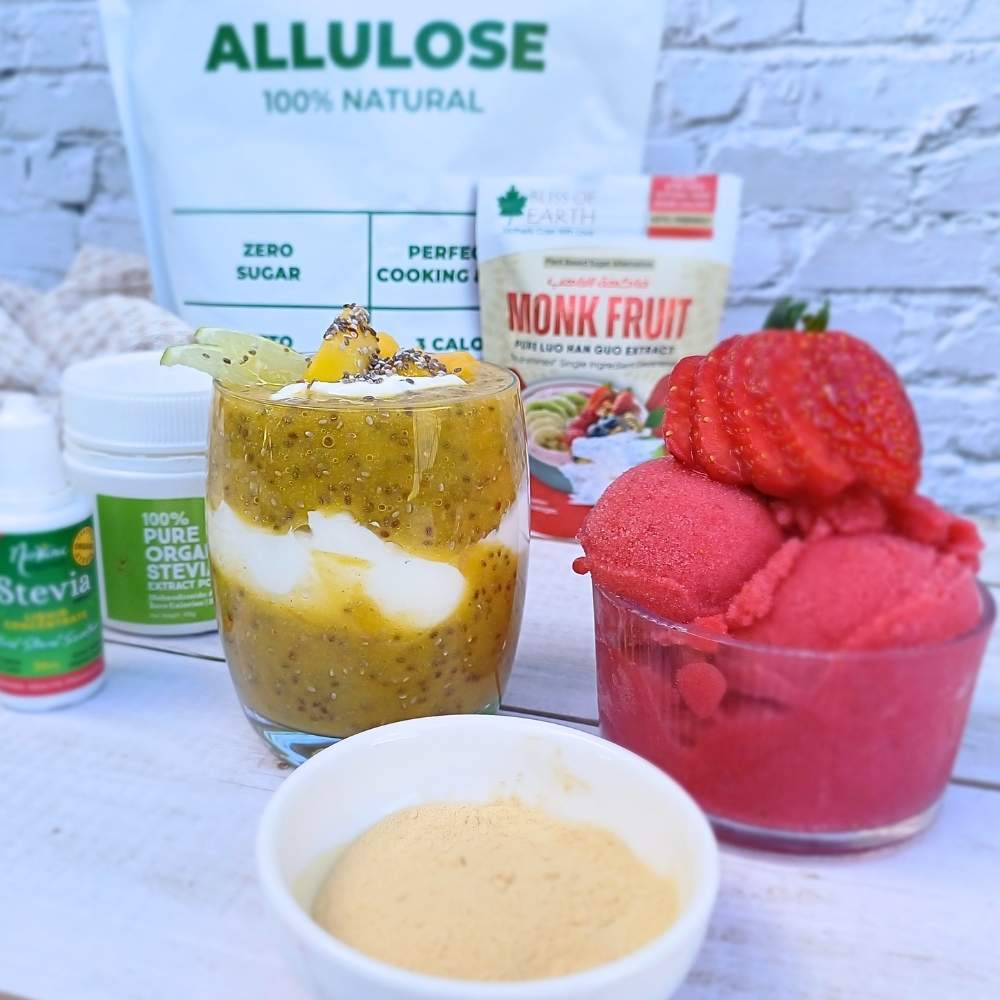
smoothie bowls (like the one pictured below)
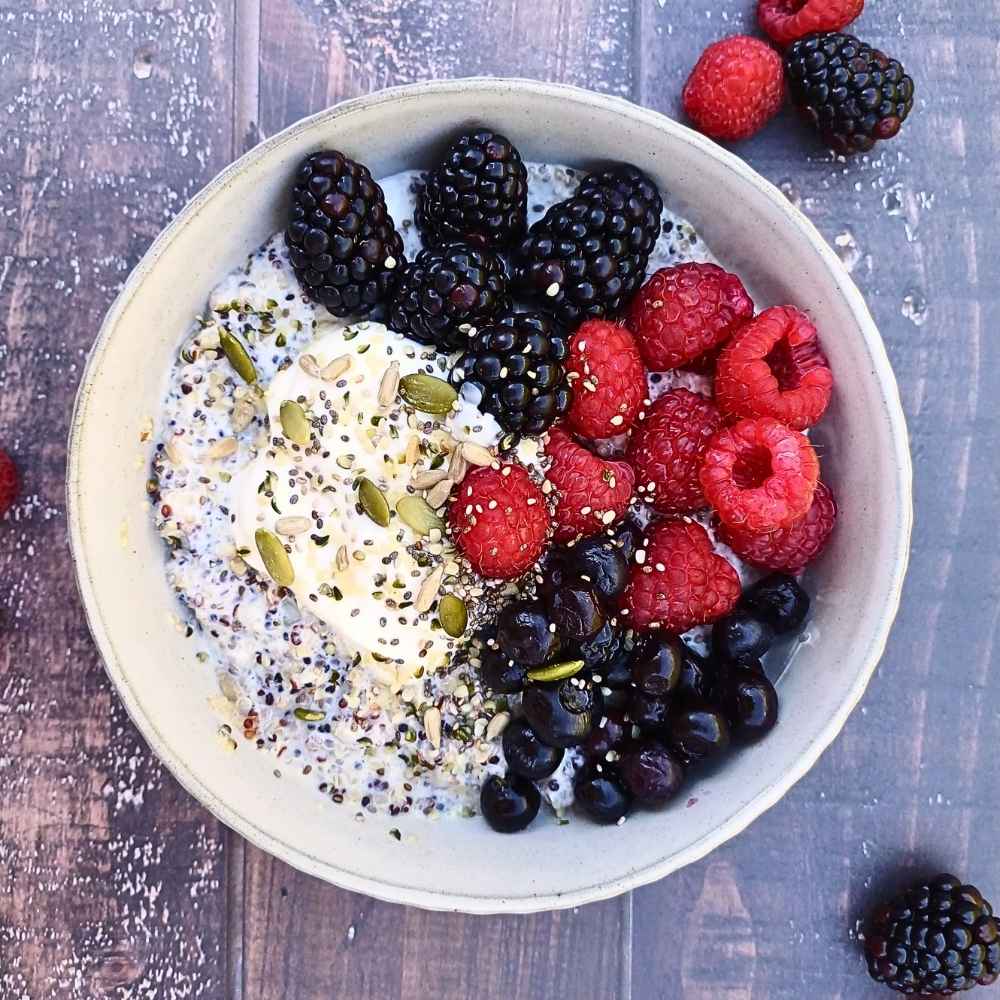
-
yoghurt-based breakfasts (like my quinoa porridge with yoghurt)
-
light desserts like my high-protein chocolate mousse
-
and recipes where flavour matters
If I had to choose purely on taste and nutrition, monk fruit would honestly win.
But… (and this is a big but)
Why I Don't Use Monk Fruit or Stevia for Everything
Cost is one reason. Pure monk fruit isn’t cheap.
When you’re baking regularly, making homemade ice cream, feeding a family, and keeping desserts stocked in the freezer, the cost adds up quickly.
But the bigger reason is that pure monk fruit and stevia don’t behave like sugar in the same way allulose does. They sweeten beautifully, but they don’t add the bulk, structure, lift, or creamy texture that many recipes rely on.
For example, I once tried making Pavlova (an Australian-style meringue dessert) with pure monk fruit. The flavour was lovely, but without the structure that sugar (or allulose) provides, I ended up with a very flat Pavlova.
The same thing applies to many baked goods, creamy desserts, and homemade ice cream. If a recipe relies on sugar to create volume or improve texture rather than simply adding sweetness, allulose usually gives much better results.
That’s where allulose completely changed the way I bake. It doesn’t just make recipes sweet—it helps them behave much more like they would with regular sugar.
Allulose vs Monk Fruit: Which Do I Actually Use?
This is the part I want to be very clear about:
I don’t think allulose is better than monk fruit.
I think allulose is more practical for volume cooking.
Monk fruit is:
-
cleaner
-
usually less processed
-
nutritionally very healthy
Allulose is:
-
more economical
-
easier to make many recipes on repeat
-
still natural and has no side effects like artificial sweeteners out there
So in my kitchen:
-
monk fruit = special, small-batch single-serve recipes, drinks, yoghurt, lighter desserts, every day drinks for my daughter
-
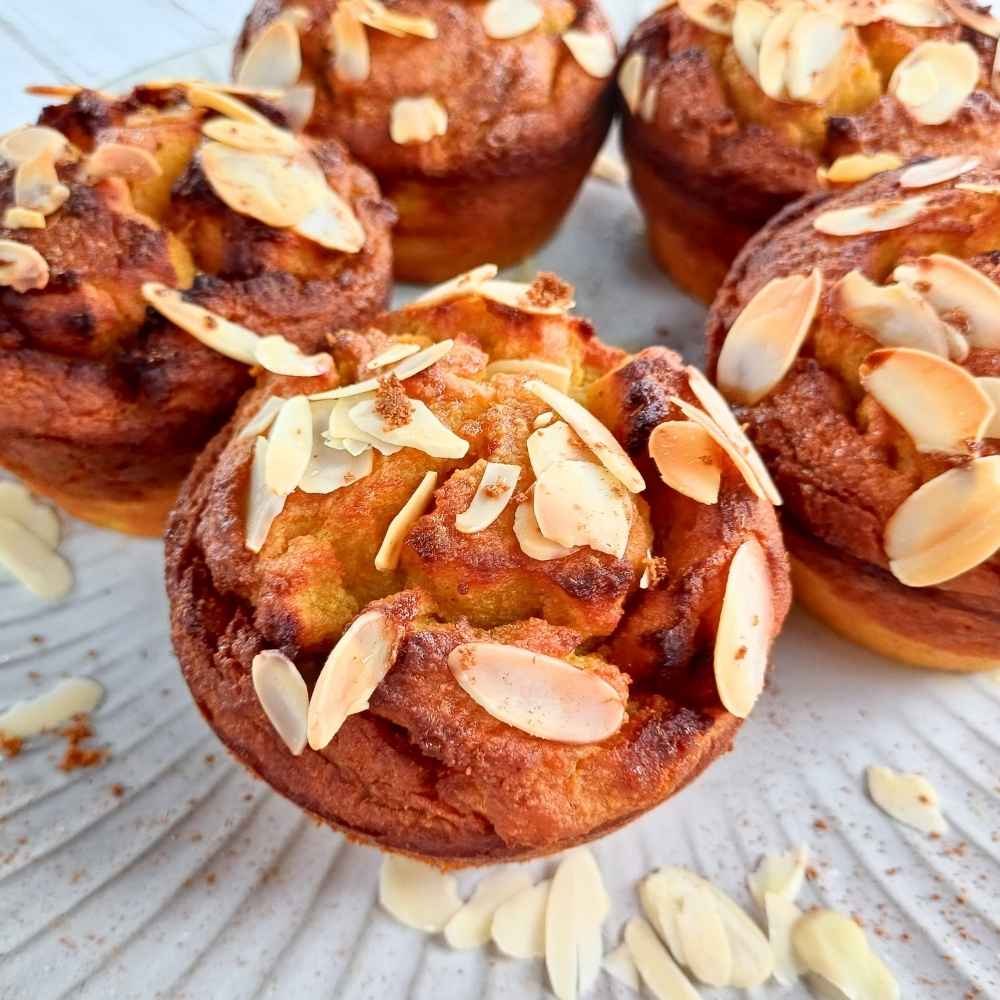
allulose = baking muffins, sweet breads, pints of ice cream, family-sized batches, sugar-free desserts for guests and when I am nominated to bring a dessert to a party
It’s not either/or. It’s a strategic use.
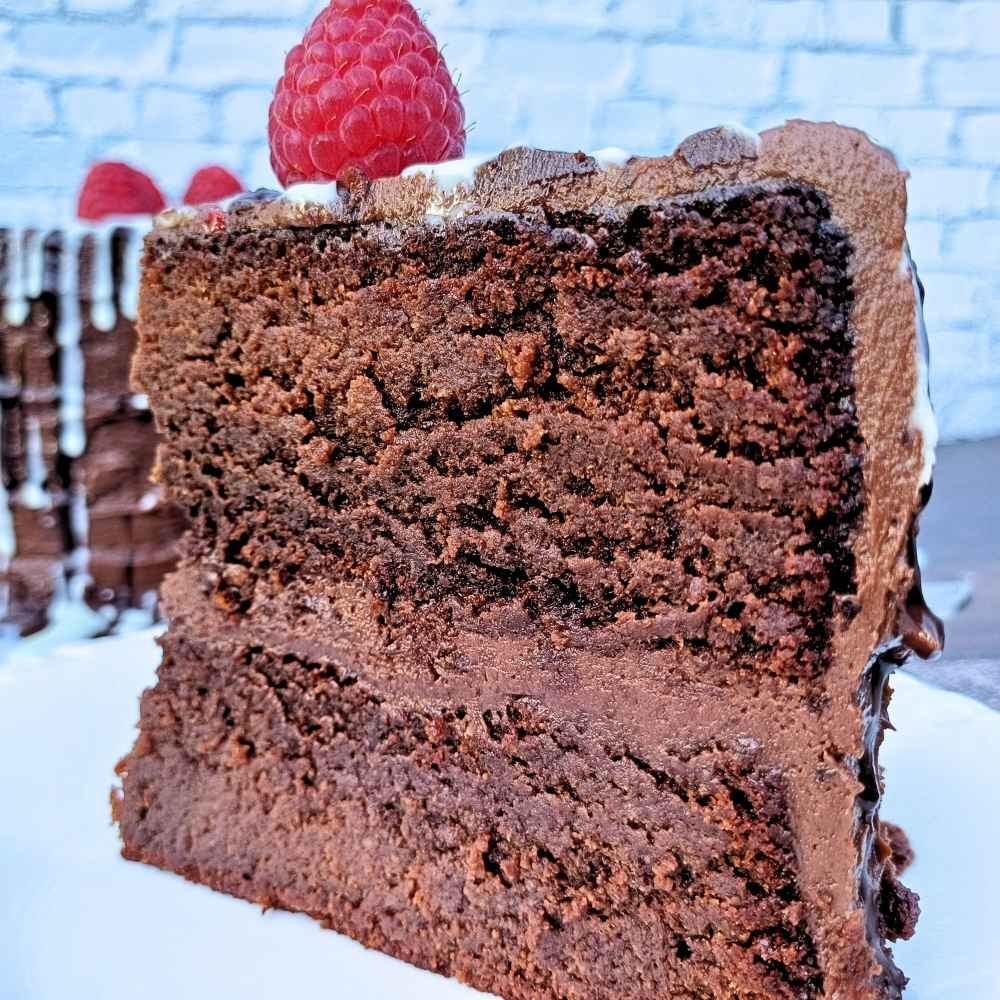
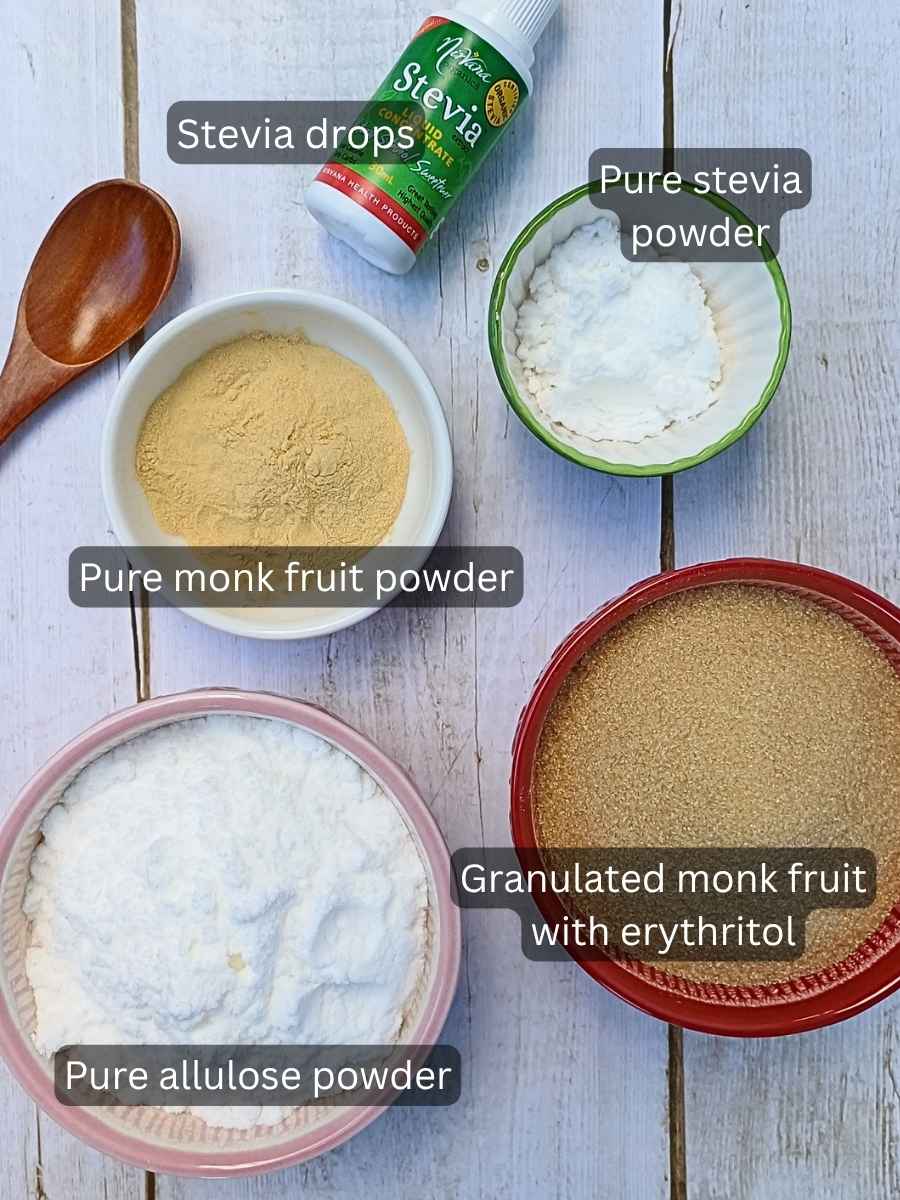
Sweetener Forms Matter: Powder, Granules, Syrup, Drops
This is something people rarely talk about, but it matters.
Monk fruit:
-
powder
-
granulated blends
-
liquid drops
Allulose:
-
powder
-
granules
-
Syrup is great for drizzling and caramelising. It has a bit of a cotton candy (aka fairy floss in Australia) smell in my daughter’s opinion, which is a good thing, right?
Stevia:
-
liquid drops
-
powder (usually more concentrated, so use very small amounts, like 1/8 of a teaspoon per serving if that)
-
granulated blends (less concentrated, sometimes blended with other sweeteners like erythritol)
I’ve used all of them.
I love drops for:
-
coffee
-
tea
-
yoghurt
But I haven’t come across allulose drops yet, so I mostly use:
-
allulose powder
-
or syrup
And yes, allulose is less sweet than stevia, so you’ll use more of it. Think of it more like sugar concentration, not a high-intensity sweetener.
How These Sweeteners Affect Blood Sugar & Insulin
This is a big reason people look for sugar alternatives.
-
Allulose – minimal impact, may even improve insulin sensitivity (some studies suggest)
-
Stevia – minimal impact
-
Monk fruit – no impact on blood glucose
For people with:
-
insulin resistance
-
diabetes
-
PCOS
-
metabolic issues
These can be excellent choices compared to regular sugar, honey, brown sugar, agave syrup, or maple syrup.
What About Gut Health?
This matters because not all sugar substitutes behave the same way in your digestive system.
Some sugar alcohols, like erythritol, can cause bloating or digestive discomfort in larger amounts, especially if you’re sensitive to them.
- Pure monk fruit doesn’t appear to negatively affect gut bacteria and is generally well tolerated.
- Allulose is mostly absorbed in the small intestine, so many people find it gentle on digestion.
- Stevia has mixed research, but overall appears to have a neutral effect on gut health.
This is another reason I personally prefer pure monk fruit extract over monk fruit blends that contain erythritol, especially when I’m making desserts my family will be eating regularly. That doesn’t mean erythritol is “bad,” but I prefer to minimise sugar alcohols where I can.
(Source: NIH – Gut microbiome and sweeteners)

Which Sweetener Is Best for Weight Loss?
Honestly?
The one you can happily stick to.
All three sweeteners:
- are very low in calories
- have little to no effect on blood sugar
- can help reduce your overall sugar intake when used instead of regular sugar
But here’s what I’ve learned after years of recipe testing and working as a nutrition coach:
If you don’t enjoy the taste, you probably won’t keep using it. Sustainability beats perfection every time.
For me:
- Monk fruit is my favourite for coffee, Greek yogurt, and lighter desserts because of its clean, natural taste.
- Allulose is my favourite for baking and homemade ice cream because it behaves so much like regular sugar.
- Stevia still has a place in my kitchen, especially in coffee and many baked recipes, where I find the aftertaste is much less noticeable.
What About Keto and Low-Carb Diets?
If you’re following a keto or low-carb lifestyle, allulose, pure monk fruit, and stevia can all be excellent alternatives to regular sugar because they have little to no effect on blood sugar and add very few calories. So, yes, all three are keto and low-carb friendly!
I have quite a large collection of keto and lower-carb recipes on Earth & Oven, but my philosophy has always been health first and keto second. Rather than simply making a recipe fit keto macros, I prefer to focus on whole-food ingredients, lean proteins, healthy fats, and natural sweeteners that support long-term healthy eating.
Whichever eating style you follow, my goal is the same: to create recipes that are enjoyable, practical, and made with ingredients I’d happily serve to my own family.
Which Sweetener Would I Recommend Buying First?
Choose Allulose if you…
- bake regularly
- make homemade ice cream (it’s my go-to sweetener for most of my Ninja Creami recipes because it freezes softer and creates a creamier texture)
- want a sugar substitute that behaves much like regular white sugar
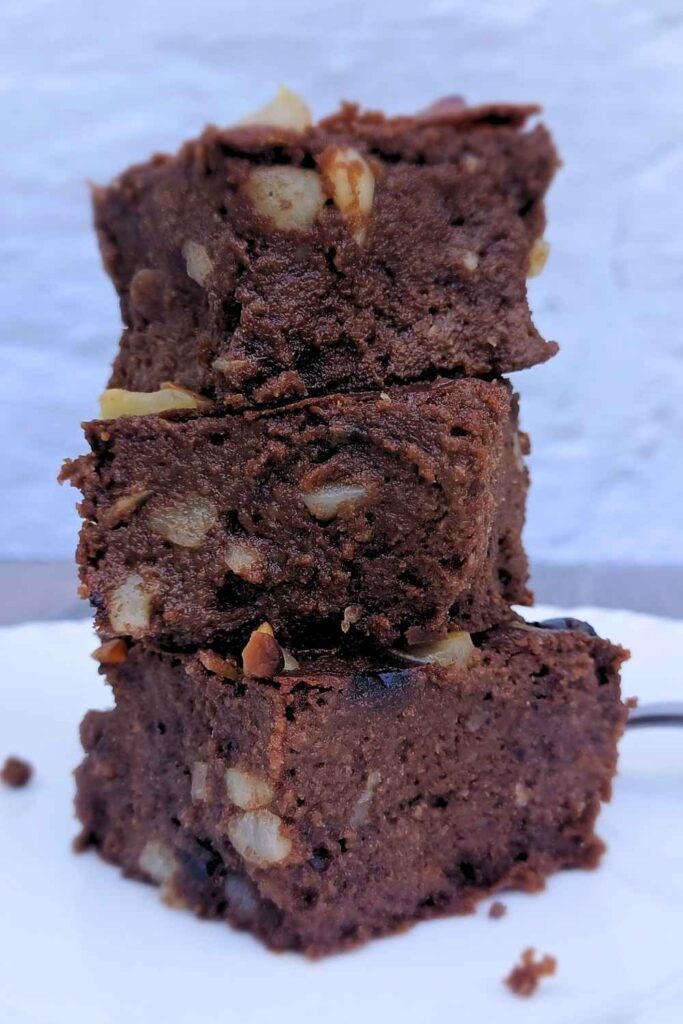
- need a sweetener that adds volume and structure to recipes like gluten-free muffins or sugar-free cakes
- enjoy making caramel sauces or recipes where caramelisation matters
Choose Pure Monk Fruit if you…
- mainly sweeten coffee, smoothie bowls, chia puddings or breakfast porridge
- you want the cleanest, minimally processed ingredient
- you don’t mind paying more
Choose Stevia if you…
- already enjoy the taste
- mainly use it in drinks or coffee
- want a very concentrated sweetener
- don’t mind a slight bitter aftertaste (many people barely notice it, especially if they’ve been using stevia for a while)
I personally notice the aftertaste the most in fruit-based desserts like sorbets, where there aren’t many other flavours to hide it. My 7-year-old daughter can tell the difference straight away and always prefers the batches I make with allulose. Interestingly, I barely notice stevia in coffee or in baked recipes like banana bread, where the other ingredients seem to soften that aftertaste..
💡 Earth & Oven Kitchen Tip: Keep Your Sweeteners Fresh
One thing I rarely see people talk about is storage. If you've ever opened a bag of sweetener only to find it full of hard lumps, moisture is usually the culprit. A few simple habits can help expensive sweeteners like pure monk fruit and allulose stay fresh, free-flowing, and easy to measure.
🧂 Keep moisture away.
Even slightly damp hands can transfer enough moisture to a measuring spoon, which can end up inside the packet.
🥄 Always use a completely dry scoop or spoon.
Make sure there's no water, dish soap, or oil residue before dipping it into the sweetener.
📦 I store mine one of two ways.
Either I leave it in the original resealable bag and place the whole packet inside a large zip-top bag, or I transfer it to a good-quality airtight container.
🥣 Keep a dedicated scoop inside.
Using the same clean scoop every time helps avoid contamination from other ingredients.
🔒 Seal it immediately after use.
Don't leave the container sitting open while you're baking, especially if there's steam in the kitchen.
🏡 Store it somewhere cool and dry.
I avoid cupboards near the kettle, dishwasher, or stove where moisture builds up.
⭐ My experience:
Pure monk fruit is one of my favourite sweeteners, but it's also one of the most expensive. It only takes a small amount of moisture to cause clumping, making it much harder to measure accurately. Taking a few extra seconds to keep it dry can save you from wasting an expensive packet.
Frequently Asked Questions About Allulose, Stevia & Monk Fruit
Can I use allulose instead of stevia in recipes?
Yes, but you’ll need a larger amount because allulose is much less sweet than stevia. Unlike stevia, allulose behaves much more like regular sugar, making it one of my favourite sweeteners for baking, homemade ice cream, and frozen desserts. If you’re substituting one for the other, don’t replace them in equal amounts, as the sweetness levels are very different.
Which sweetener is healthiest: allulose, stevia, or monk fruit?
If I had to choose just one based purely on health, I’d choose pure monk fruit extract. It has an excellent nutritional profile, is minimally processed, contains no sugar alcohols, has little to no effect on blood sugar, and only tiny amounts are needed because it’s naturally very sweet.
That said, the healthiest choice isn’t always the most practical one. Pure monk fruit is expensive and can be tricky to measure because such small amounts are needed. That’s why I use allulose more often when baking cakes, muffins, banana bread, or making homemade ice cream, while still reaching for pure monk fruit whenever I want the cleanest ingredient possible.
Why is my crust falling apart?
The biggest downside of allulose is that some people may experience digestive discomfort if they consume large amounts. Most people tolerate it well, and I personally use it regularly without any issues. Because allulose behaves so much like regular sugar, it’s still my favourite sweetener for baking and Ninja Creami recipes, but if you’re trying it for the first time, it’s a good idea to start with a smaller amount and see how your body responds.
Is monk fruit with erythritol better than allulose?
Neither is universally better—it depends on what you’re making and your personal preferences. Monk fruit sweeteners blended with erythritol are often easier to measure and more affordable, while allulose gives excellent texture in baking and homemade ice cream because it behaves much more like sugar. I personally prefer pure monk fruit extract when I use monk fruit and reach for allulose when baking or developing recipes.
Which sweetener doesn't spike blood sugar?
Pure monk fruit, allulose, and stevia all have little to no effect on blood sugar for most people. That’s one reason they’re popular choices for people reducing sugar or following lower-carb eating patterns. If you have diabetes or another medical condition, it’s always best to discuss dietary changes with your healthcare professional.
As an Amazon Associate, I earn from qualifying purchases. This means that if you click on an Amazon link and make a purchase, I may receive a small commission at no additional cost to you. I only recommend products I genuinely believe in and personally use or have thoroughly researched.