
By Liv Banks • Published: Feb, 2020 Updated: July 2026
This baked miso glazed salmon is one of my favourite weeknight dinners when I want something that feels a little special without making a mess of the kitchen. Everything cooks in the oven, the glaze comes together in just a few minutes, and if you’re serving it with broccoli, you can use the same miso butter glaze to turn it into a complete meal.
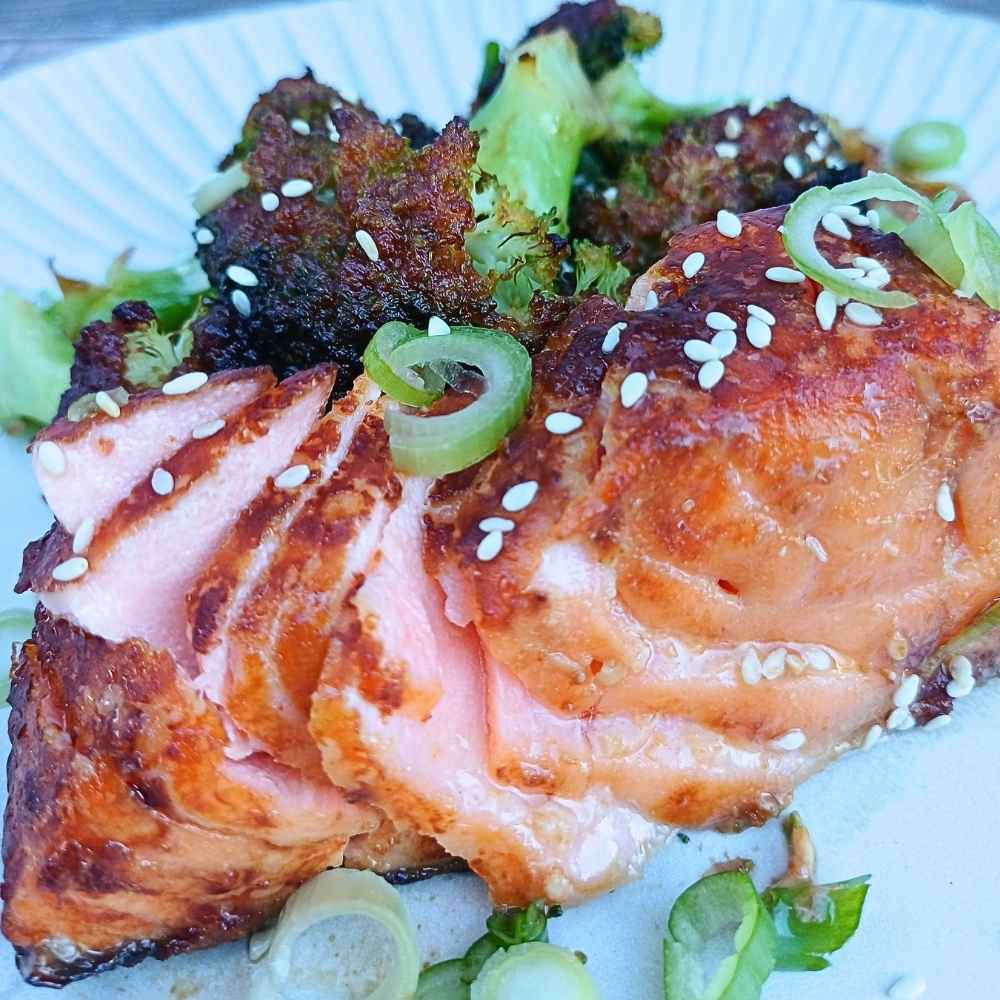
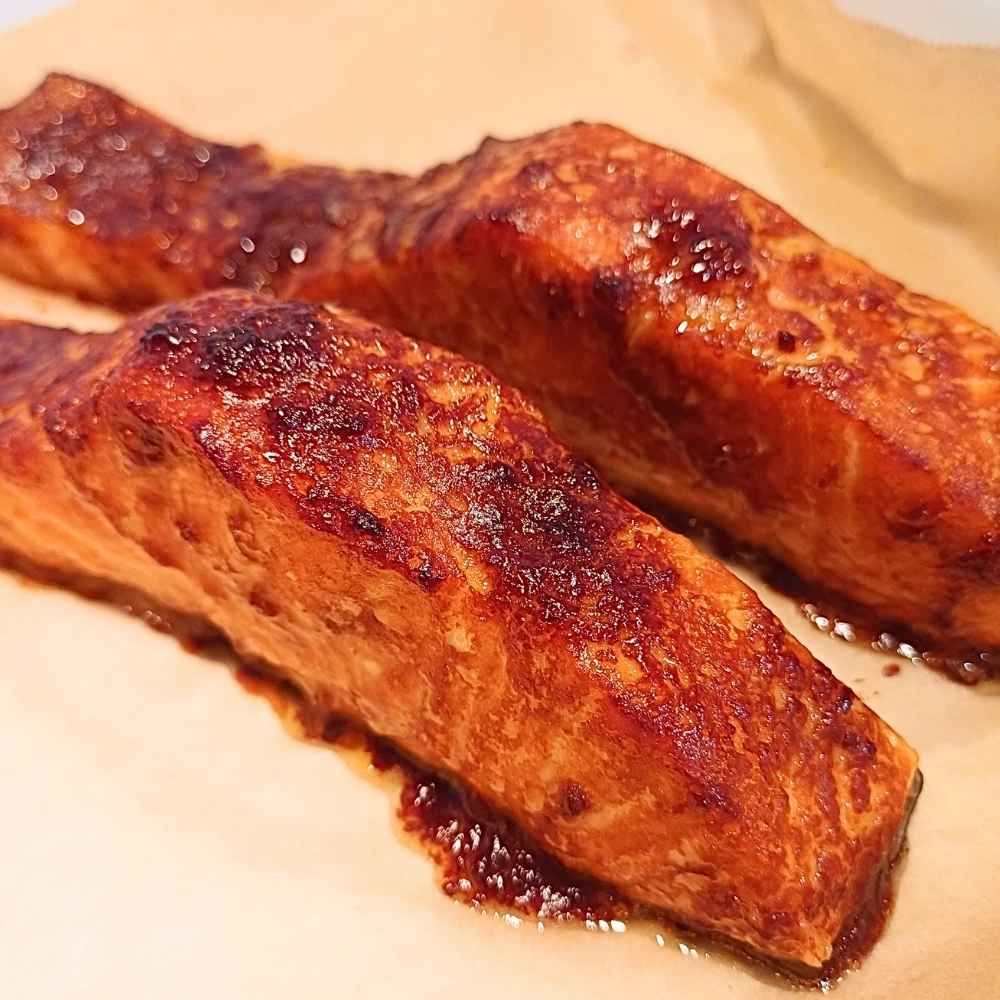
The glaze is made with white miso paste, butter, garlic, ginger, mirin, and soy sauce for a rich, savory flavor that caramelizes beautifully under the broiler. During testing, I found that baking the salmon first before finishing it under the broiler kept it moist and flaky while giving the glaze that glossy golden finish I was looking for.
Why You'll Love This Recipe
Ready in about 20 minutes from start to finish.
Buttery umami flavor from white miso paste.
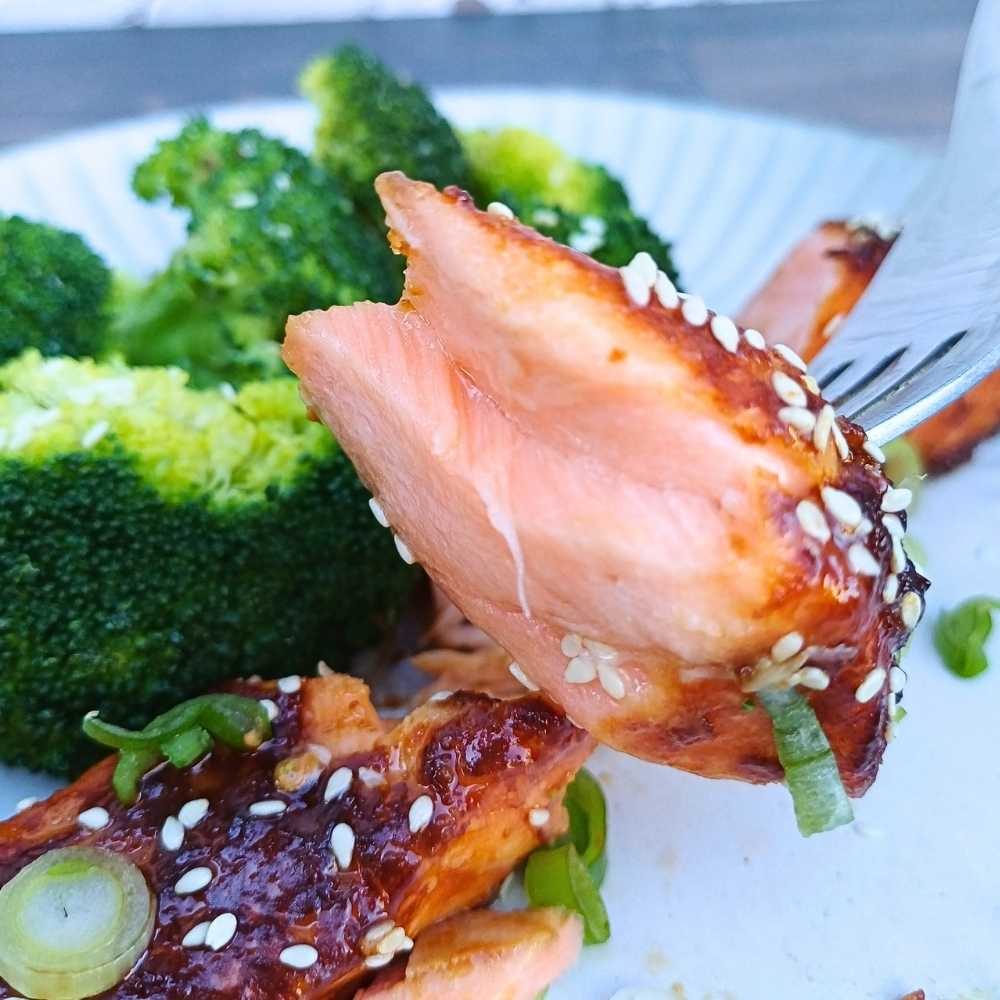
Moist, flaky salmon with a beautifully caramelized glaze.
High in protein and naturally rich in omega-3 fatty acids.
Easy enough for busy weeknights.
Optional miso-roasted broccoli made with the same glaze. Just double the amount of glaze on the recipe card.
Perfect with jasmine rice, brown rice, or keep it low-carb if you prefer.
Can be easily keto-friendly if you use monk fruit sweetener instead of brown sugar in the glaze.
Why This Miso Salmon Recipe Works
White miso paste is the key ingredient in this recipe. As a traditional Japanese fermented soybean paste, it has a mild, slightly sweet flavor that complements salmon without overpowering it. While red miso and brown miso have a stronger, saltier flavor, I find white miso creates the best balance for this recipe.
Butter softens the richness of the miso while helping the glaze caramelize under the broiler. Fresh garlic and ginger add depth of flavor, while mirin and soy sauce create the classic Asian flavors that make this dish so satisfying.
Unlike many recipes that require a long miso marinade, this quick miso butter glaze develops plenty of flavor as the salmon bakes, making it ideal for busy weeknight dinners. Yes, absolutely, you can marinate it for an hour or even longer if you prefer; the flavor will soak in even more into the juicy salmon fillet.
What Makes This Version Different
Many miso salmon recipes rely on lengthy marinades or sweeter teriyaki-style glazes.
This Earth & Oven version uses a simple miso butter glaze that comes together in minutes and doesn’t require any marinating. During recipe testing, I found that baking the salmon before finishing it under the broiler produced the best combination of a caramelized glaze and moist, flaky salmon.
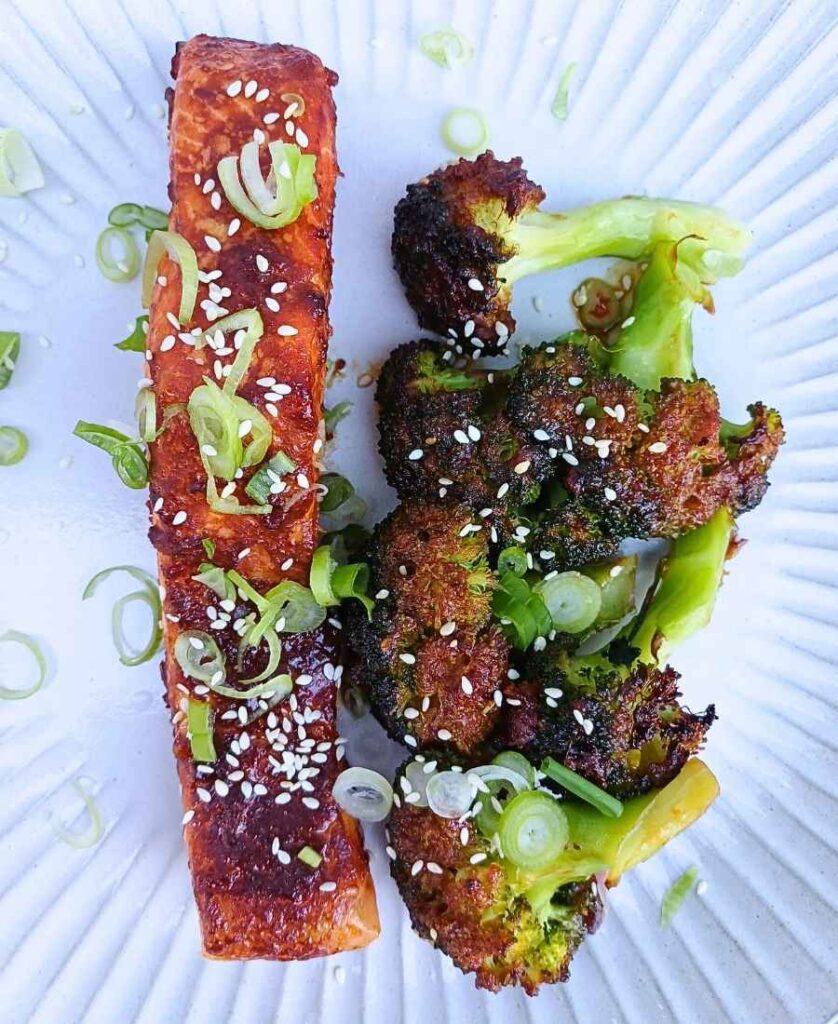
I also tested an optional roasted broccoli variation using the same glaze, and OMG, let me tell you, I could eat a bowl of that just on its own. It definitely takes this simple vegetable to the next level. Plus, it makes it more of an easy weeknight meal rather than just a piece of salmon.
Ingredients For The Miso Butter Glaze
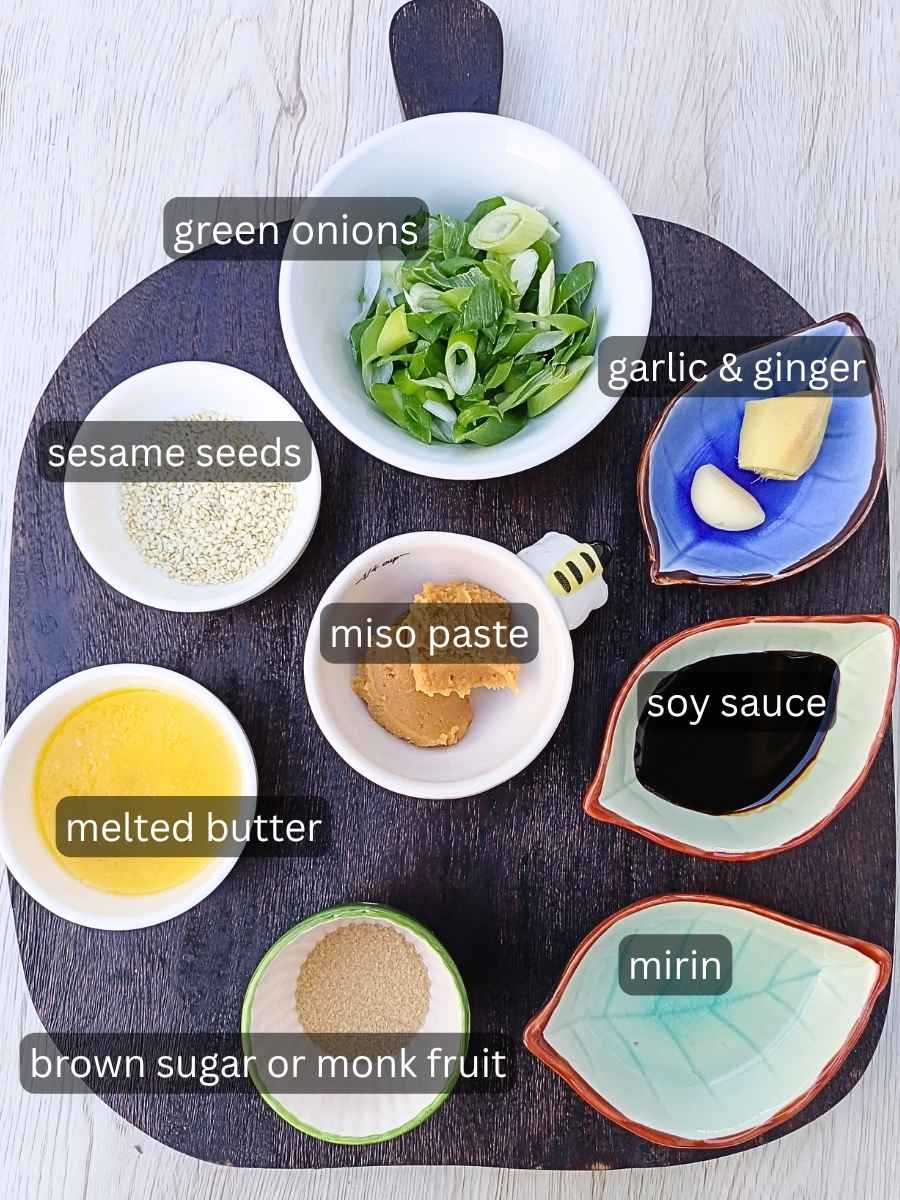
For this recipe, you’ll need:
- Skinless salmon fillet (I used skin-on once and honestly it’s absolutely fine too, but skinless is a bit better as it lets the miso glaze go right in from all the sides)
- White miso paste
- Butter (salted or unsalted will work)
- Garlic (fresh or crushed from the jar)
- Fresh ginger (ginger paste will work too)
- Mirin
- Soy sauce (I used dark soy)
- Brown sugar, coconut sugar, or monk fruit sweetener for a sugar-free version
- Green onions for garnish
- Sesame seeds (optional)
- For serving:
- Steamed broccoli or roasted broccoli with some of that delicious miso butter glaze
Ingredient Notes
White Miso Paste
White miso has a milder, slightly sweeter flavor than yellow or red miso, making it my preferred choice for salmon. You can usually find it in the refrigerated section of larger grocery stores or in the international section alongside other Japanese ingredients.
Salmon
This recipe was tested using a skinless fresh salmon fillet weighing approximately 5 ounces (140–150 g). Wild salmon is my preference when available, but Atlantic salmon also works well.
Butter
Melted butter creates a smooth glaze that spreads easily over the salmon and helps it caramelize beautifully during broiling.
How to Make Miso Glazed Salmon
Step 1: Make the Miso Butter Glaze
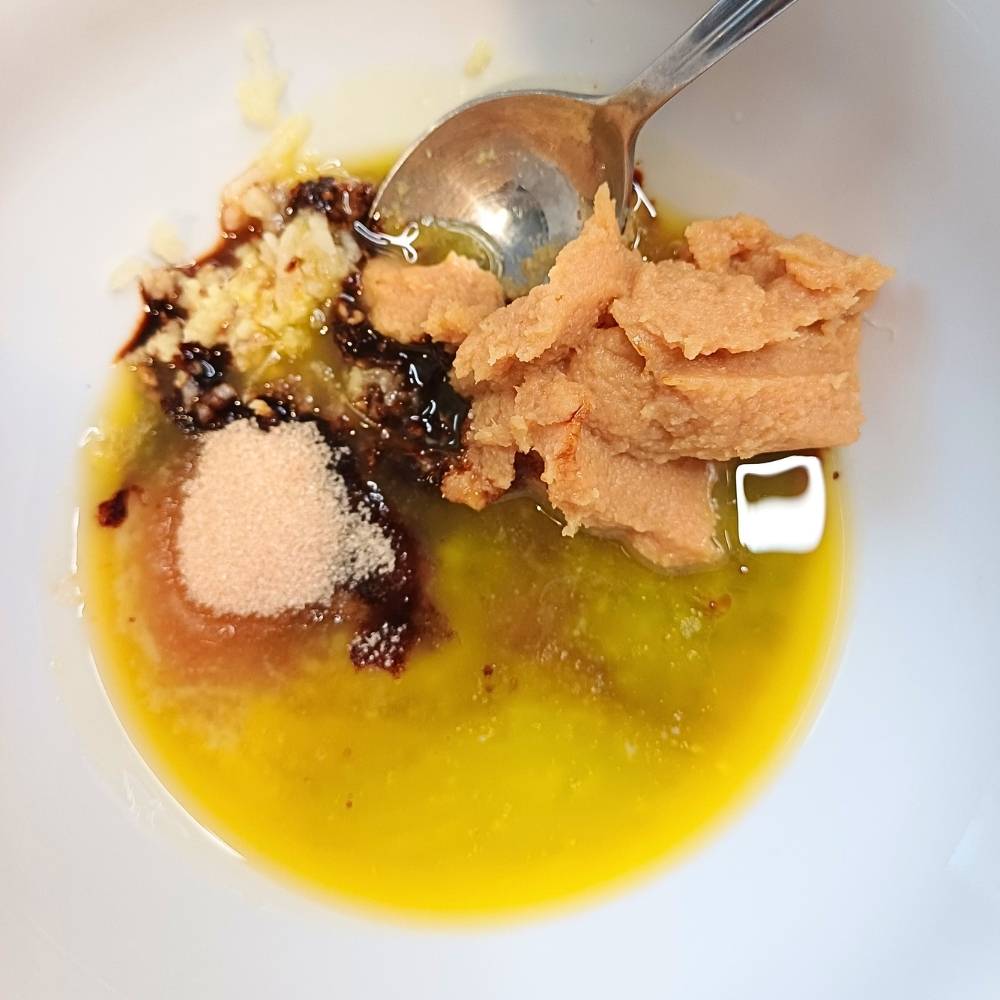
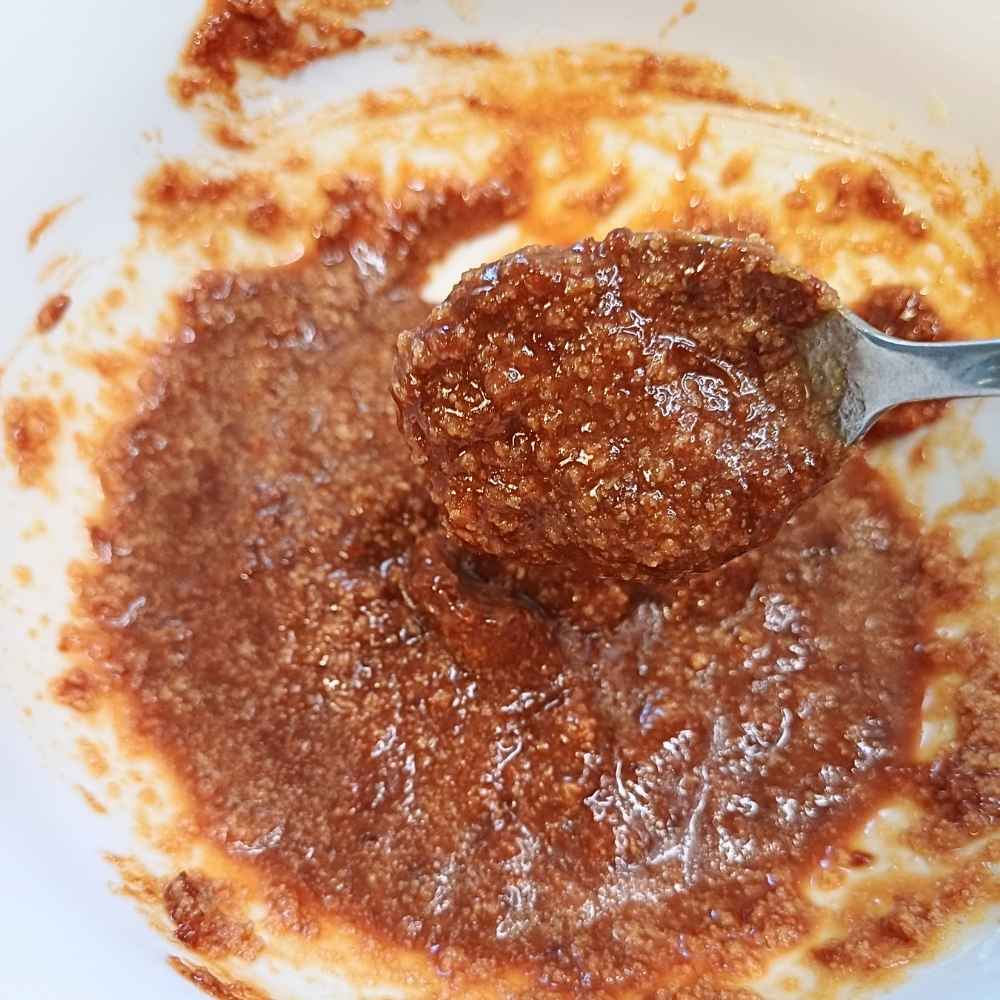
In a small bowl, stir together the melted butter, white miso paste, garlic, ginger, mirin, soy sauce, and sugar or monk fruit sweetener until smooth.
The glaze should be thick but easily spreadable with a brush. If too thick, add a tablespoon or two of warm water. You should be able to dip the brush into it and smear it over like paint
Step 2: Prepare the Salmon
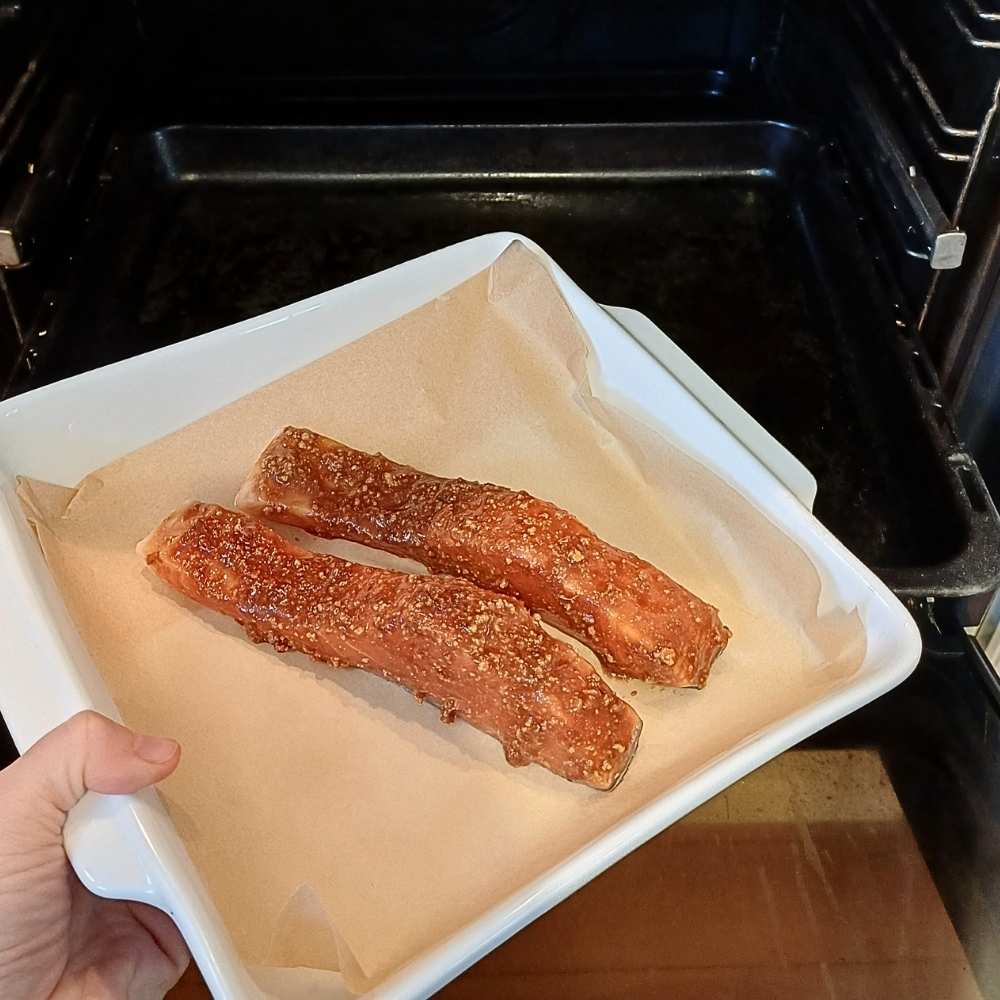
Preheat the oven to 350°F (180°C).
Pat the salmon fillet dry with a paper towel and place it on a parchment paper-lined baking tray.
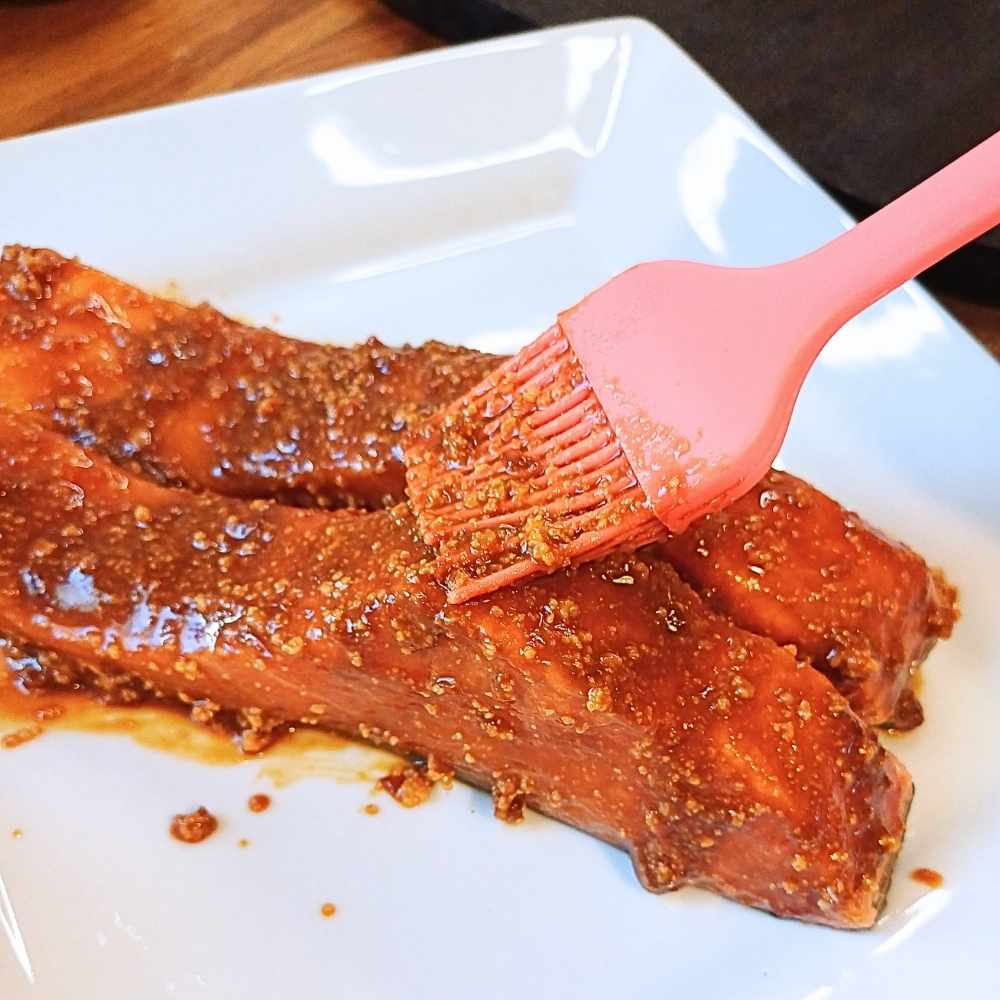
Spread the miso butter glaze evenly over the salmon. Spread it on all 4 sides of the fillet, including the bottom.
Step 3: Bake
Bake for 15 minutes, or until the salmon is almost cooked through.
Step 4: Broil
Transfer the salmon to the broiler for 2–3 minutes until the glaze becomes lightly caramelized.
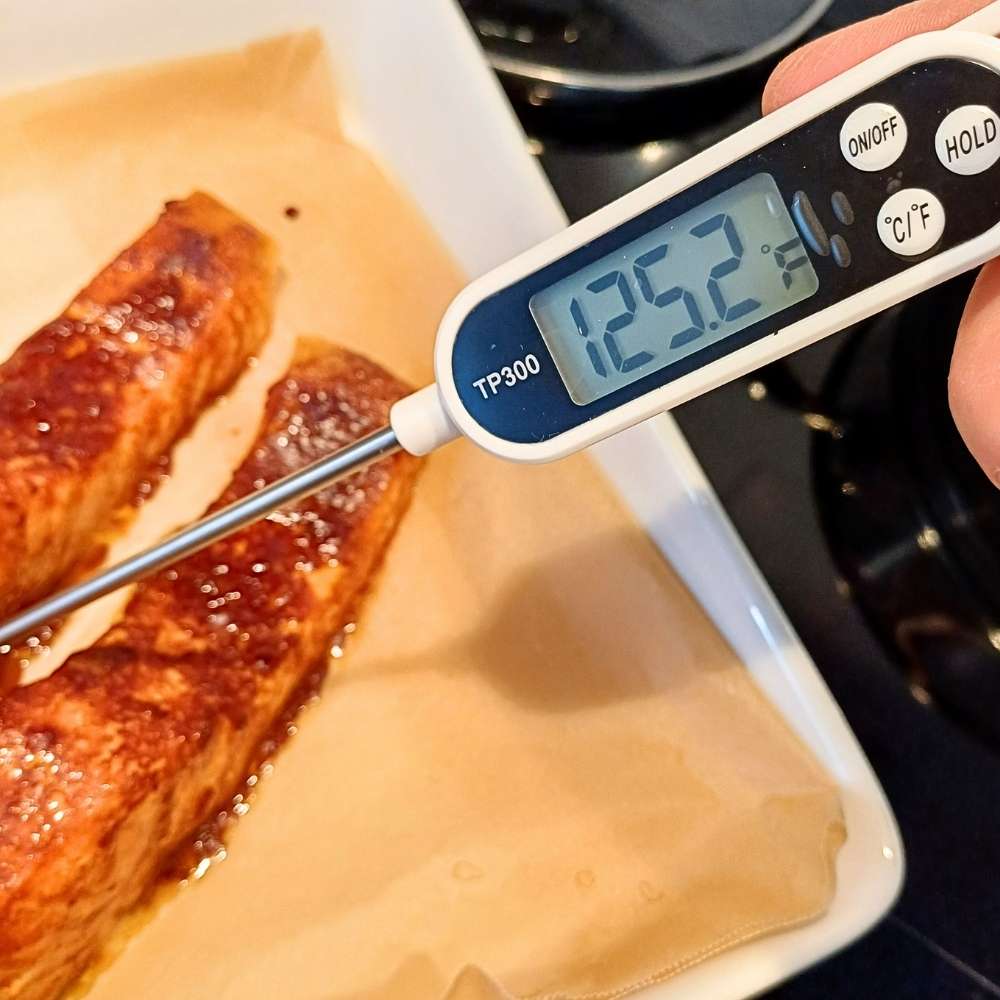
During testing, I found the best result was an internal temperature of approximately 125°F (52°C) measured with an instant-read thermometer. At this temperature, the salmon was perfectly moist and flaky without becoming dry. Around 18 minutes in total worked well to achieve this result.
Garnish with sliced green onions and sesame seeds before serving alongside some steamed broccoli.
Optional: Miso Roasted Broccoli
Step 6: Make Roasted Miso Glazed Broccoli
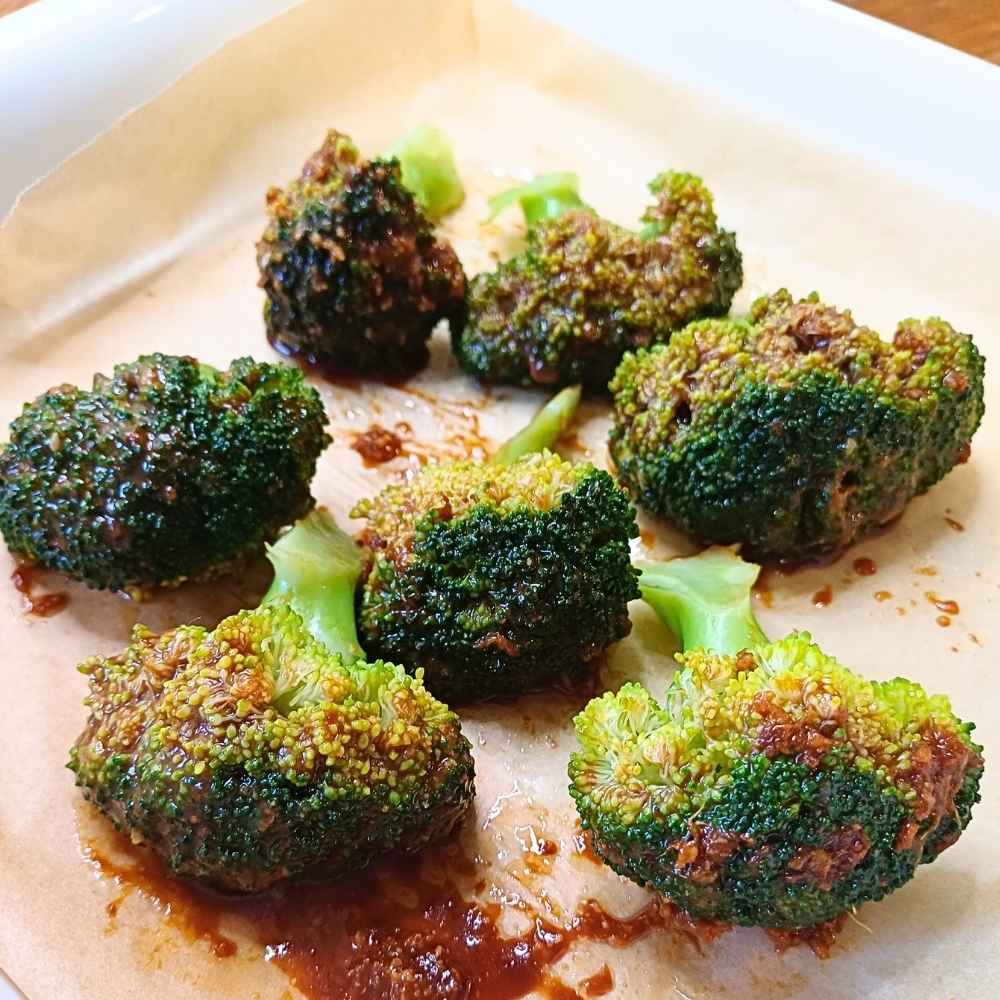
If you’d like to turn this into a complete oven-baked meal, simply double the glaze ingredients and reserve half for the broccoli.
Lightly blanch the broccoli florets for 3–5 minutes, then drain well and pat dry with paper towels to remove any moisture.
If the reserved glaze has firmed up while you were blanching the broccoli, microwave it for 10–15 seconds until spreadable.
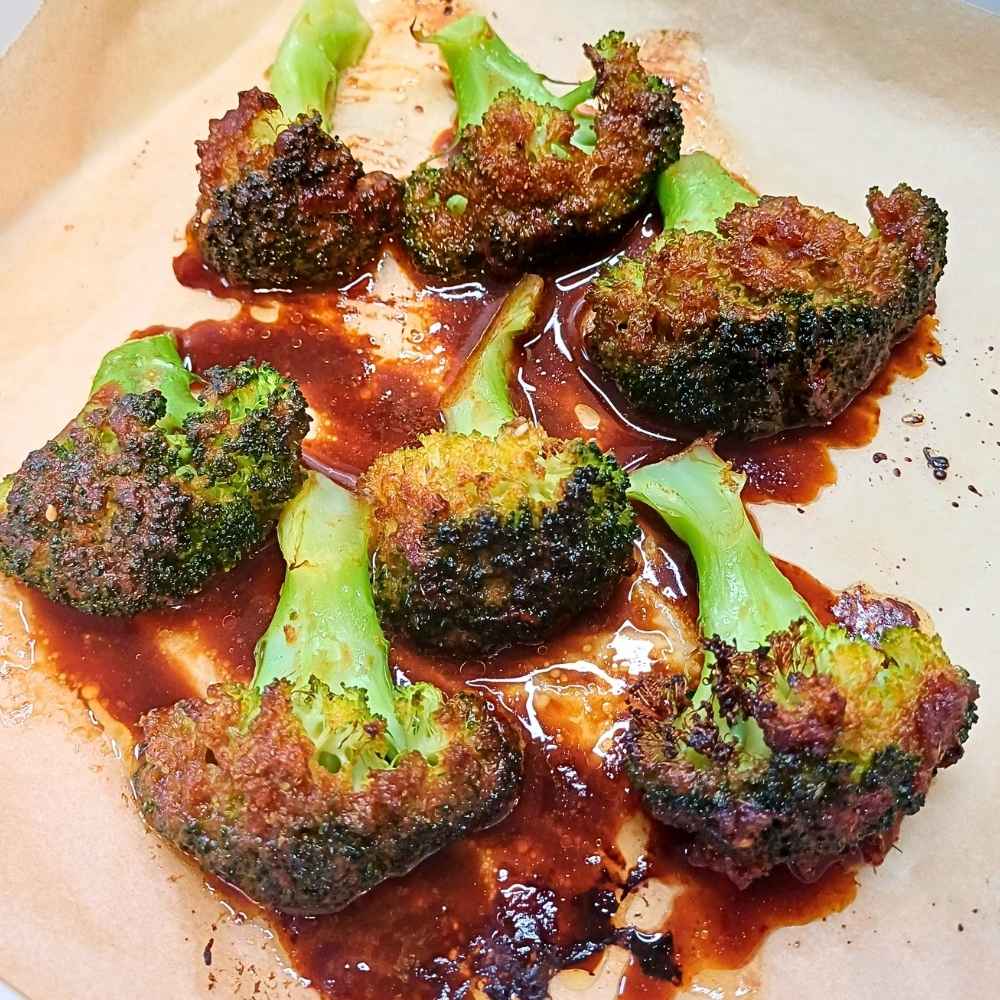
Coat the broccoli evenly with the glaze and roast at 350°F (180°C) for 10–12 minutes, or until the edges are lightly caramelized.
You can also bake the broccoli alongside the salmon by adding it to the oven during the final 10–12 minutes of cooking. So leave a bit of space on the baking tray for the broccoli.
Expert Tips
Pat the salmon dry before adding the glaze so it adheres better.
Use white miso for the best balance of sweetness and savory flavor.
Don’t skip the broiler—it creates the beautiful caramelized finish.
An instant-read thermometer is the easiest way to avoid overcooking salmon. Otherwise follow the time and temperature recommended.
Double the glaze if cooking a larger salmon fillet or making the optional broccoli.
If the glaze firms up while sitting, microwave it for 10–15 seconds before using.
If you don’t have a brush, just dip the salmon fillets into the bowl with glaze and, using clean hands, massage the glaze into each fillet so it’s completely coated on all sides. Not the deep tissue type of massage, more of a relaxation style hehe
Variations & Substitutions
Use tamari instead of soy sauce for a gluten-free version.
Add a pinch of chili flakes for gentle heat.
Swap broccoli for green beans or bok choy.
Serve over jasmine rice, brown rice or cauliflower rice.
A drizzle of sesame oil after cooking adds extra nutty flavor if you enjoy it.
Serving Suggestions
This flavorful salmon pairs beautifully with:
- Steamed broccoli
- Optional miso roasted broccoli (my fave)
- Jasmine rice
- Brown rice
- Cauliflower rice
- Bok choy
- Green beans
- Fresh avocado
- Edamame beans
- Miso soup for a Japanese-inspired meal
Storage
Store leftover salmon in an airtight container in the refrigerator for up to 2 days.
Reheat gently in the microwave or enjoy cold over a salad the next day.
Tip: If you want to make the same recipe two nights in a row, you can; just marinate as many pieces of salmon as you like, cook what you want for today, and cook the rest the next day. Freshly baked glazed salmon is nicer than reheated in the microwave, trust me.
FAQs
Can I use skin-on salmon?
Yes. Skinless salmon fillets are better because it allows the miso glaze soak in better from all sides of the fillet, but skin-on will still work; if using skin-on, marinate the fillet for about 15 minutes.
Can I use red miso instead?
Yes, although red miso has a much stronger flavor. I recommend white miso for a milder, more balanced glaze.
Can I prepare the miso butter glaze ahead of time?
Absolutely. Store it in the refrigerator for up to 2 days. If it firms up, microwave it for 10–15 seconds before using.
What temperature should salmon be cooked to?
During testing, I found that 125°F (52°C) on the inside produced moist, flaky salmon without drying it out.
Can I make this in the air fryer?
Yes. You can make miso-glazed salmon in the air fryer. Bake the salmon for 10 minutes at 350°F (180°C) then take out and check if the inside temperature has reached 125°F (52°C), if not, air fry for another 3-5 minutes.
Miso Glazed Salmon With Crispy Broccoli.
Ingredients
- 1 skinless salmon fillet about 5 oz / 140–150 g
- 1 tablespoon unsalted butter melted
- 1 tablespoon white miso paste
- 1 small garlic clove finely grated (or 1 teaspoon minced garlic)
- ½ teaspoon grated fresh ginger or ginger paste
- 1 teaspoon mirin
- 1 teaspoon soy sauce
- 1 teaspoon brown sugar or coconut sugar or ⅛ teaspoon monk fruit sweetener
- Green onions sliced
- Sesame seeds optional
For serving
- Steamed broccoli or baked broccoli see notes below
- Sliced avocado optional
Instructions
- Preheat the oven to 350°F (180°C).
- In a small bowl, mix the melted butter, white miso paste, garlic, ginger, mirin, soy sauce, and sugar or monk fruit sweetener.
- Pat the salmon dry with paper towels and place it on a parchment-lined baking tray.
- Spread the glaze evenly over the salmon on all four sides.
- Bake for 15 minutes.
- Broil for 2–3 minutes until lightly caramelized.
- Check the internal temperature with an instant-read thermometer if you have one. Around 125°F (52°C) produced the best texture during testing.
- Garnish with green onions and sesame seeds before serving.
Notes
Optional Miso Roasted Broccoli
(About 150 g broccoli florets coated with an additional full batch of glaze)| Nutrient | Approx. |
|---|---|
| Calories | 165 kcal |
| Protein | 7 g |
| Carbohydrates | 16 g |
| Fat | 9 g |
| Saturated Fat | 5 g |
| Fiber | 5 g |
| Sugar | 7 g |
| Sodium | 740 mg |
Nutrition
As an Amazon Associate, I earn from qualifying purchases. This means that if you click on an Amazon link and make a purchase, I may receive a small commission at no additional cost to you. I only recommend products I genuinely believe in and personally use or have thoroughly researched.